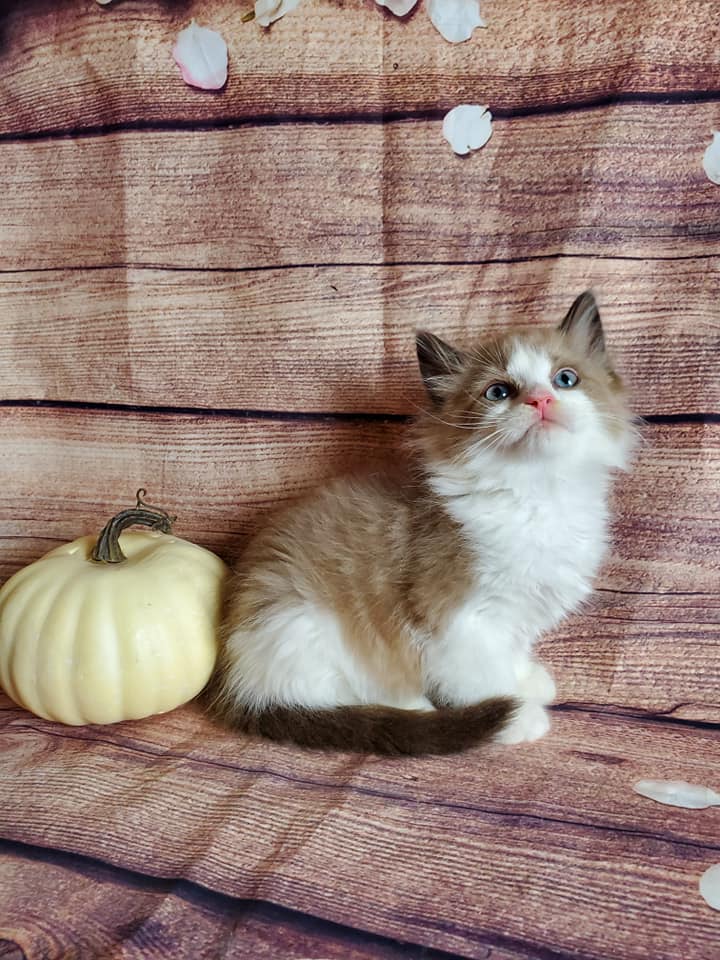
When to Switch Your Ragdoll from Kitten Food to Adult Food
Ragdoll kittens grow slowly and continue developing their large frames well beyond the first year of life. Because of this extended growth period, changing from kitten food to adult cat food too early may leave a young Ragdoll without the calories and nutrients needed for healthy bones, muscles, and brain development.
Most Ragdolls are ready to begin moving toward an adult maintenance diet between 12 and 18 months of age. The ideal timing depends on the kitten’s body condition, growth rate, activity level, and overall health. A veterinarian can help create a feeding plan that suits the individual cat.
At Ragdoll Kittens Cattery, kittens are raised in a family environment and handled daily. This early care supports healthy development, while appropriate nutrition helps carry that progress into adulthood. Food changes should be gradual and monitored closely.
Why Ragdolls Need A Longer Growth Diet
Kitten formulas are designed to provide concentrated energy, high-quality protein, and essential nutrients for growth. Ragdolls are a large, slow-maturing breed, so they may need kitten nutrition longer than a smaller, faster-maturing cat.
A growing Ragdoll uses calories to develop its skeleton, lean muscle, coat, and immune system. The breed’s calm personality can make it easy to underestimate its nutritional needs, especially when a kitten spends much of the day resting. Growth is still taking place during those quiet periods.
Feeding kitten food beyond the appropriate growth stage can contribute to excessive weight gain, particularly after a cat has been spayed or neutered. The goal is to support development without encouraging rapid or unnecessary weight accumulation.
Typical Timing For The Food Change
Many Ragdolls can start transitioning around their first birthday. Some remain on a growth formula until 15 or 18 months, especially if they are still gaining size, have a slim body condition, or are following a veterinarian-supervised development plan.
There is no single age that applies to every cat. A mature-looking coat or large paws does not necessarily mean the skeleton has finished developing. Your veterinarian may assess weight, muscle tone, body condition score, and growth patterns before recommending a complete switch.
A gradual change is usually preferable to an abrupt replacement. Sudden diet changes may lead to loose stools, vomiting, food refusal, or unnecessary stress.
| Ragdoll’s stage | Common nutritional approach | What to monitor |
|---|---|---|
| Up to 12 months | Complete kitten or growth formula | Steady growth, stool quality, appetite |
| About 12–15 months | Begin a gradual transition if development is on track | Body condition and energy |
| About 15–18 months | Adult maintenance food is often appropriate | Weight stability and muscle tone |
| Any age with health concerns | Follow an individualized veterinary diet plan | Symptoms, hydration, and response |
Signs Your Kitten May Be Ready
A Ragdoll may be ready for adult food when growth has slowed, body proportions look balanced, and the cat maintains a healthy body condition. You should be able to feel the ribs under a light layer of tissue without seeing sharply defined bones. A visible waist from above is also a useful general sign.
Weight trends are more informative than a single measurement. Weighing your cat regularly can reveal whether it is gaining too quickly, maintaining a stable size, or losing weight unexpectedly. A kitchen scale may work for smaller kittens, while a household pet scale can be more practical for larger Ragdolls.
Appetite and activity matter as well. A healthy transition candidate should be alert, eating consistently, and using the litter box normally. Poor appetite, persistent digestive upset, weakness, or sudden weight change should be discussed with a veterinarian before altering the diet.
How To Make The Transition
Begin by mixing a small amount of adult food into the current kitten formula. Over approximately seven to ten days, increase the adult portion while reducing the kitten food. Sensitive cats may need a slower two-week transition.
A simple schedule might include 75% kitten food and 25% adult food for several days, followed by equal portions, then 25% kitten food and 75% adult food. If stools become soft or your cat refuses meals, return to the previous ratio and progress more slowly.
Keep feeding times and water access consistent during the change. Wet food can help support hydration, while measured dry food portions may make calorie control easier. Ragdolls can be prone to gaining excess weight, so free-feeding should be approached carefully.
Choosing A Suitable Adult Formula
Look for a complete and balanced adult cat food made by a reputable manufacturer. The formula should provide high-quality animal protein and appropriate levels of fat, vitamins, and minerals. Follow the package guidance as a starting point, then adjust portions according to your cat’s body condition.
Food labeled for all life stages may meet nutritional standards, but it can be more calorie-dense than an adult maintenance formula. For a mature or sterilized Ragdoll that gains weight easily, a veterinarian may recommend a controlled-calorie option.
Cats with suspected food allergies, urinary concerns, digestive disease, or other medical needs may require a therapeutic diet. Health screening and veterinary guidance are especially important when a cat has a known condition or a family history of inherited disease.
Feeding Habits That Support Healthy Weight
Portion control becomes increasingly important as a Ragdoll approaches adulthood. Divide the daily amount into two or more meals, and measure food rather than estimating by eye. Regular meals can help you notice changes in appetite early.
Interactive play also supports a healthy body condition. Short play sessions with wand toys, climbing opportunities, and food puzzles can encourage movement for a breed known for its relaxed temperament.
Useful habits include:
- Weighing your Ragdoll every few weeks during the transition
- Recording the food type, portion size, and any digestive changes
- Providing fresh water in several accessible locations
- Checking the waist and rib coverage during routine handling
- Scheduling a veterinary review if weight changes quickly
When To Speak With Your Veterinarian
A veterinarian should guide the timing when a Ragdoll is underweight, overweight, unusually small, or affected by ongoing digestive symptoms. The same applies if the cat has reduced appetite, repeated vomiting, diarrhea, increased thirst, or changes in urination.
Your veterinarian can also help calculate daily calories and select food for a kitten that has been spayed or neutered. Routine wellness visits offer an opportunity to review growth, dental health, body condition, and the best adult feeding schedule.
Switching from kitten food is a gradual developmental step rather than a deadline. With measured portions, a suitable formula, and close observation, your Ragdoll can move into adult nutrition while preserving healthy growth and a comfortable body condition.
Families adopting a Ragdoll kitten can discuss current food, feeding routines, and future dietary milestones with Ragdoll Kittens Cattery in Helena, Montana. Contact the cattery to learn more about available kittens, health-focused care, and preparing for life with a well-socialized Ragdoll companion.