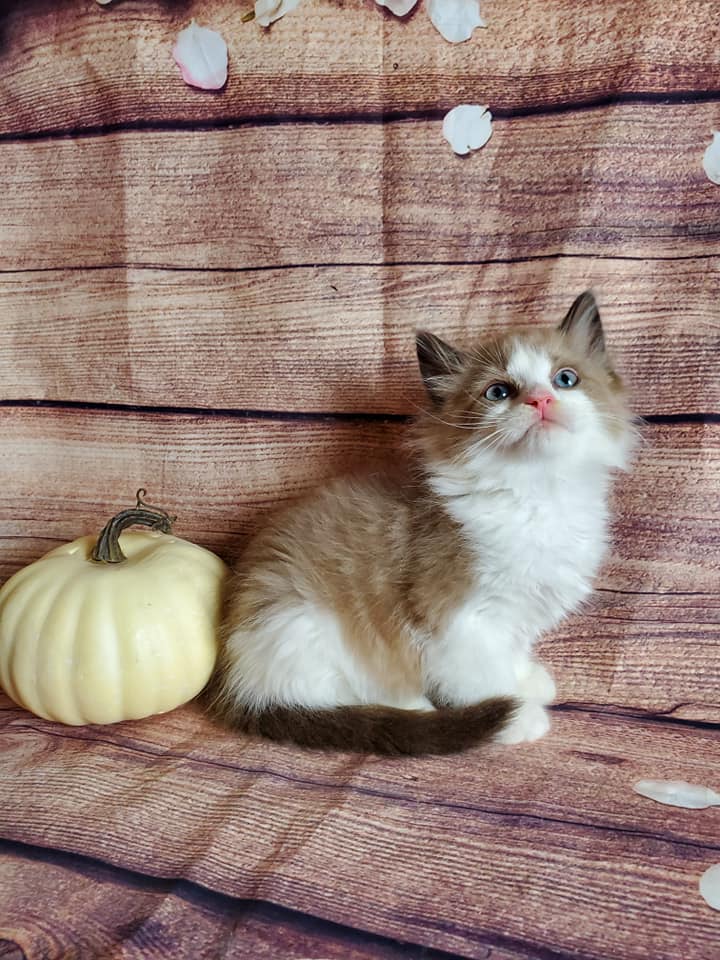
Why a Ragdoll Kitten Needs a Scratching Post from Day One
A scratching post is one of the first essentials to prepare before bringing home a Ragdoll kitten. It gives your new companion an appropriate place to stretch, scratch, play, and settle into healthy daily routines from the beginning.
Scratching is a normal feline behavior, not a sign of disobedience. Ragdoll kittens may be gentle and relaxed, but they still need outlets for natural clawing and stretching. Without a suitable scratcher, a kitten may choose furniture, rugs, doorframes, or other household surfaces.
At Ragdoll Kittens Cattery in Helena, Montana, kittens are raised indoors in a cage-free family environment and handled daily. This early socialization helps them become confident companions, while a thoughtfully prepared home gives them the structure they need after adoption.
Scratching Supports Natural Feline Behavior
Cats scratch to maintain their claws, stretch their muscles, and release energy. The motion works the shoulders, back, legs, and paws. It also allows kittens to leave visual and scent signals through glands in their paw pads.
For a growing Ragdoll, this activity can be especially useful. Ragdolls develop into large, substantial cats, so regular stretching and climbing opportunities help them stay active. A scratching post can become part of a balanced enrichment area alongside toys, resting spaces, and safe climbing options.
Scratching also has an emotional function. Kittens may scratch after waking, during play, or when they feel excited. Providing a familiar cat scratcher gives them a healthy way to express themselves while becoming comfortable in a new environment.
Early Habits Protect Your Home
Kittens learn quickly through repetition. If a young cat discovers that the sofa is satisfying to scratch, that surface may become a preferred location. Redirecting the behavior later is possible, but teaching the right habit from the first day is usually simpler and less stressful.
Place the scratching post near areas your kitten already uses. A spot beside a favorite sleeping area is effective because many cats stretch and scratch immediately after waking. Another post near a busy family room can encourage use during active periods.
Reward exploration without forcing it. Praise, gentle play, or a small treat can make the scratcher more appealing. Avoid punishing a kitten for scratching furniture, since fear can interfere with trust and may not teach the desired alternative.
Selecting a Scratcher That Fits a Ragdoll
The best scratching post is tall enough for a kitten to extend fully and sturdy enough that it will not wobble. A lightweight post that tips over can make a kitten hesitant to use it. As a Ragdoll grows, an adult-sized scratching tree or tower may be necessary.
Texture matters as well. Many cats enjoy sisal rope, while others prefer corrugated cardboard, carpet, or a combination of surfaces. Offering more than one texture helps you learn your kitten’s preference and creates useful variety.
| Scratching option | Useful features | Best placement |
|---|---|---|
| Tall sisal post | Full-body stretch, durable surface | Near sleeping or lounging areas |
| Horizontal cardboard scratcher | Easy access for young kittens | On the floor near play spaces |
| Scratching mat | Useful for rugs and low surfaces | Beside furniture or entryways |
| Cat tree with scratch pillars | Scratching, climbing, and enrichment | Family room or supervised activity area |
| Angled scratcher | Combines vertical and horizontal use | Small spaces or beside a sofa |
Location Encourages Regular Use
A scratcher hidden in a quiet corner may be ignored, even if it is well made. Cats often want to scratch where people and activity are present. Placing one in a family room lets a kitten participate in household life while using an approved surface.
Furniture can also guide placement. If your kitten begins investigating a sofa arm, put a scratching post directly beside it. Once the post becomes familiar, it can be moved gradually to a more convenient location if needed.
Several smaller scratchers may work better than one large piece of equipment. A kitten can have one near its bed, another in the main living area, and a horizontal pad near a favorite play zone. This makes the appropriate choice easy to find.
Safety and Maintenance Matter
Check that the base is broad and stable, with no exposed staples, loose threads, or small pieces that could be swallowed. Inspect sisal, cardboard, and fabric regularly. Replace worn materials before they become unsafe or lose their appeal.
Keep the scratching area separate from food and litter whenever possible. A clean, well-positioned station is more inviting. If you use catnip, introduce it carefully; some young kittens show little interest, while others become highly stimulated.
Routine claw care can complement scratching, although scratching does not replace nail trimming. Ask a veterinary professional or an experienced breeder to demonstrate safe handling if you are unfamiliar with kitten nail care.
Make Scratching Part of Daily Enrichment
A scratching post should feel like part of your kitten’s normal environment rather than a correction tool. Place a toy near it, move a wand toy up the post, or allow your kitten to discover the texture during calm play. Never drag the kitten’s paws across the surface, as this can create an unpleasant association.
Ragdoll kittens are known for their affectionate, people-oriented temperaments, so shared routines can be especially effective. A few minutes of supervised play near the scratcher, followed by praise and rest, reinforces the idea that the post belongs in the kitten’s daily life.
Consistent access is important as the kitten grows. A post that suited an eight-week-old kitten may become too short or unstable later. Reassess the size, location, and condition of the scratcher as your Ragdoll develops.
A Simple First-Week Setup
Before adoption, prepare the scratching area along with bedding, food and water stations, toys, and a secure room for the kitten’s first days. A calm setup allows the kitten to explore gradually and gives the family time to establish positive routines.
Prioritize these practical steps:
- Choose one stable vertical post and one horizontal scratcher.
- Place the vertical post near a sleeping area or commonly used furniture.
- Reward the kitten calmly when it investigates or uses the scratcher.
- Inspect surfaces and fastenings regularly for wear.
- Upgrade to a taller, stronger post as your Ragdoll grows.
A well-chosen scratcher supports physical development, emotional comfort, and furniture-friendly habits. It is a small preparation that can make a meaningful difference throughout your cat’s life.
When you are preparing to welcome a healthy, well-socialized Ragdoll kitten, Ragdoll Kittens Cattery can provide information about available kittens, colors, markings, breed traits, and the adoption process. Contact the Helena, Montana cattery to learn more about bringing home a loving pet or potential therapy companion with the right environment ready from day one.