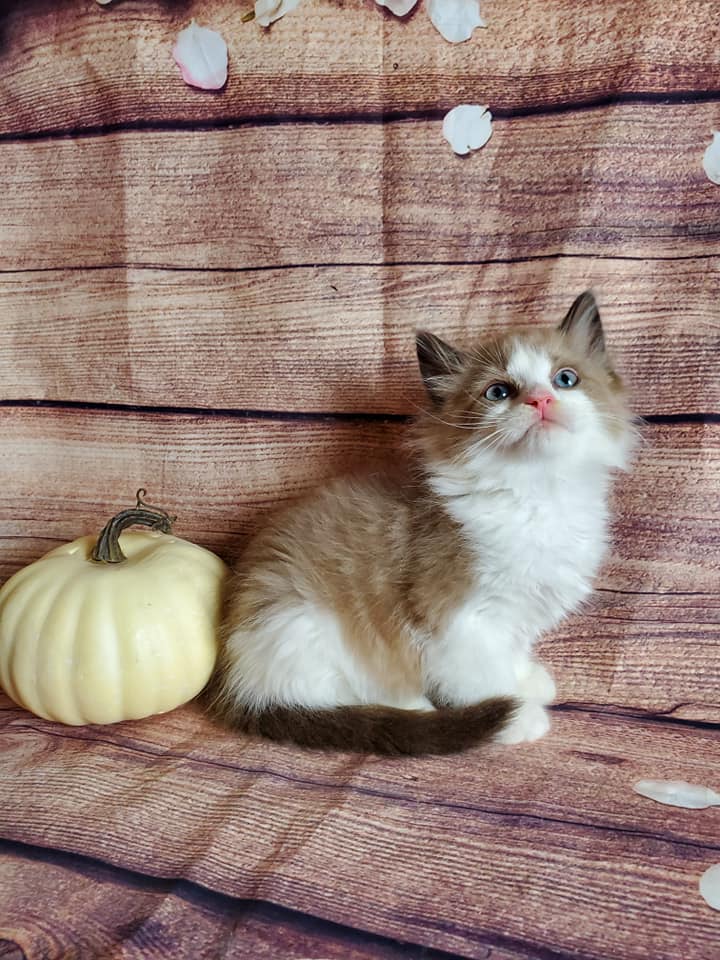
Why Ragdoll Cats Form Such Loyal Family Bonds
Ragdoll cats are often described as unusually devoted companions because they tend to follow trusted people, welcome familiar routines and seek gentle interaction. Their affectionate nature can resemble a dog’s loyalty, although each cat still has an individual temperament and a need for choice.
For Australian families considering a Ragdoll kitten, that bond is shaped by everyday care. Indoor living, thoughtful socialisation, suitable enrichment and reliable health care can help a kitten grow into a confident companion, whether it lives in a Sydney apartment, a Brisbane home or a quieter property near Hobart.
| Ragdoll trait | How it may appear at home | How to nurture it |
|---|---|---|
| People-focused nature | Following family members between rooms | Offer calm attention and predictable routines |
| Gentle temperament | Relaxing near children or other pets | Supervise interactions and provide retreat spaces |
| Social communication | Soft vocalising, eye contact and greeting rituals | Respond consistently without forcing contact |
| Adaptability | Settling into indoor family life | Introduce changes gradually |
| Affectionate attachment | Choosing to sit nearby or join activities | Reward voluntary interaction with play or pats |
What Makes Ragdolls Seem Dog-Like
Ragdolls commonly build strong attachments through repeated, positive contact. A well-socialised kitten may trail behind its favourite person, wait near a doorway, greet family members after work or settle beside them during the evening. These behaviours create the impression of a small, quiet shadow.
Their loyalty is usually expressed through proximity rather than constant demands. Many Ragdolls enjoy being in the same room while their person cooks, reads or works from home. They may answer with a soft meow, blink slowly or stretch out nearby. This is companionship in a feline form, rather than obedience in the traditional canine sense.
Breed tendencies do not guarantee a particular personality. Genetics, early handling, household noise and past experiences all matter. A cage-free family environment with daily gentle handling gives kittens useful opportunities to learn that hands, voices, visitors and ordinary household activity are safe.
Build Trust Through Predictable Daily Life
Cats develop confidence when important parts of the day feel understandable. Feeding at regular times, offering play before meals and keeping litter trays clean can create a reassuring rhythm. A Ragdoll does not need attention every minute, but it benefits from knowing that affection, food and rest are available without competition.
In an Australian home, that routine may need to account for hot summers and air conditioning. During a heatwave in Adelaide or Perth, keep fresh water in several locations, provide cool resting surfaces and avoid intense play during the hottest part of the afternoon. A stable indoor routine can be especially valuable when outdoor access is unsafe because of traffic, snakes or extreme weather.
Use consent-based handling to preserve trust. Stroke the cheeks, shoulders or back when the kitten leans towards you, then pause if the tail flicks, ears turn sideways or the body stiffens. Picking up a Ragdoll should be brief, secure and worthwhile, with all four feet supported. A cat that can end an interaction learns that people listen.
Turn Attachment Into Healthy Enrichment
Loyalty becomes stronger when time with people is enjoyable rather than intrusive. Wand toys, treat puzzles, short training sessions and gentle fetch can turn a family member into a source of stimulating experiences. Ragdolls are often intelligent and food-motivated, so learning a name, touching a target or entering a carrier can be taught with small rewards.
Indoor enrichment is important for cats living in Melbourne units or high-rise homes where secure outdoor access is limited. Add vertical shelves, a sturdy scratching post, window perches and quiet hiding places. Rotate toys instead of leaving every item out, and create a daily play ritual that involves children under adult supervision.
If a family enjoys documenting its pets, visual enrichment can extend into the home without overwhelming the cat. Ideas from a dog-themed wall gallery can be adapted for Ragdoll photographs, keeping frames securely mounted and away from climbing routes. The aim is to celebrate the relationship while preserving safe movement and restful spaces.
Socialisation Supports Lifelong Confidence
A loyal Ragdoll is more likely to remain relaxed when socialisation includes variety at a manageable pace. Introduce household sounds, visitors, grooming, nail care and the carrier gradually. Let the kitten observe from a safe distance, pairing new experiences with treats or play. Never pass a hiding kitten from person to person to make it “friendly”.
Children should learn to sit on the floor, allow the cat to approach and avoid chasing, squeezing or disturbing sleep. Dogs need slow introductions through scent swapping, barriers and supervised meetings. In homes around Canberra or the Gold Coast, this careful process can help a Ragdoll become comfortable with the rhythms of a busy family.
Health also affects behaviour. Regular veterinary checks, vaccination, parasite prevention, dental care and weight monitoring support an active social life. Prospective owners should ask about screening relevant to Ragdolls, including hypertrophic cardiomyopathy, as well as FIV and FeLV testing practices. When comparing breeders, use a scam-checking guide before sending a deposit, particularly when arranging a kitten across state lines or through an unfamiliar online listing.
Keep The Bond Strong Through Every Life Stage
Ragdoll loyalty is maintained by respect, not dependence. Give the cat a dependable sleeping area, separate food and litter locations, and a retreat where visitors and children cannot follow. Continue one-to-one time as the kitten matures, while accepting that an adult may prefer quiet companionship to being carried.
Australian owners should also prepare for practical disruptions. A secure carrier, updated microchip details and a familiar blanket can make a move, bushfire evacuation or visit to the vet less stressful. Check rental conditions before adopting, especially in larger cities where pet clauses and strata rules may affect indoor cat ownership. For therapy-cat hopes, focus first on temperament and welfare; formal suitability depends on the individual cat and the organisation involved.
A Ragdoll’s dog-like devotion grows from thousands of small experiences: a gentle greeting, a consistent meal, a shared game and the freedom to walk away. Begin by establishing one calm daily ritual, such as five minutes of wand play followed by a treat and quiet rest.