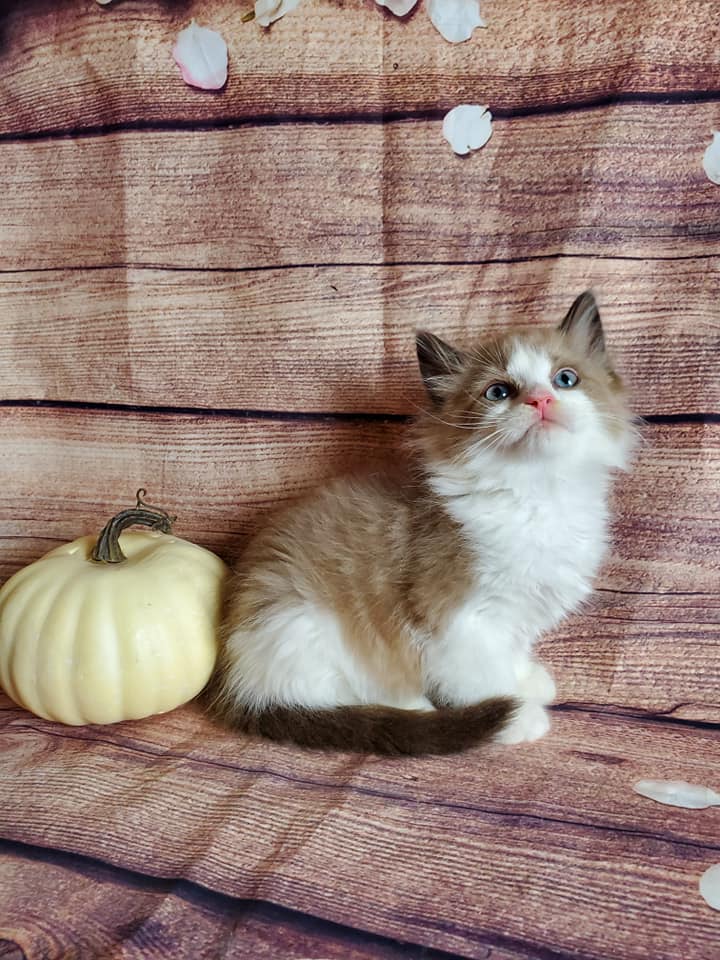
Why Ragdoll Cats Are Often Chosen for Therapy Work
Ragdoll cats are known for their gentle temperament, relaxed body language and strong interest in human companionship. These qualities can make them suitable candidates for animal-assisted activities, where a calm animal helps create comfort, connection and a more welcoming atmosphere.
Their appeal goes beyond their striking blue eyes and soft, semi-long coat. A well-socialised Ragdoll may enjoy being near people, accept gentle handling and settle quietly in unfamiliar surroundings. For someone experiencing loneliness, anxiety or physical discomfort, that steady presence can be reassuring.
Therapy animals are carefully selected individuals rather than representatives of a breed alone. Early experiences, health, confidence and the cat’s personal preferences all influence whether an animal enjoys visiting hospitals, aged-care homes, schools or counselling environments.
For Australian families considering this role, the local setting matters. A cat visiting a Melbourne retirement village, a Brisbane wellbeing centre or a private home in regional New South Wales needs to cope with transport, new sounds, warm weather and different handling styles.
A Naturally Gentle Temperament
Ragdolls are often described as affectionate, patient and people-focused. Many enjoy following family members from room to room, resting nearby and receiving calm attention. Their tendency to remain composed can be valuable during therapy visits, when a cat may encounter wheelchairs, walking frames, unfamiliar voices or slow movements.
The breed’s quiet nature can also suit environments where a soothing presence is more helpful than energetic interaction. A Ragdoll may sit beside a resident, accept a few gentle strokes or simply provide companionship without demanding constant play. This can support relaxation and encourage conversation, especially for people who find direct social interaction difficult.
Individual personality still matters. Some Ragdolls are outgoing and confident, while others prefer a familiar household and limited visitors. A therapy prospect should show curiosity without becoming distressed, recover quickly after a surprise and willingly approach people rather than being carried into every interaction.
Comfort Through Touch And Routine
Gentle stroking can provide a grounding sensory experience. The Ragdoll’s plush coat, soft purr and warm physical presence may help create a peaceful routine for an older person, a child or someone managing emotional stress. Repeated visits can give structure to the day and provide a positive focus during rehabilitation or recovery.
In Australia, therapy animals may be welcomed in aged-care communities around Adelaide, Perth or Canberra, but each organisation sets its own rules. Some require formal assessment, vaccination records, parasite control and handler training. Hospitals and health services usually have stricter infection-control procedures, so a cat may be better suited to supervised community visits than clinical wards.
The cat’s comfort must remain central. Short visits, quiet spaces and the option to retreat help prevent overstimulation. A handler should watch for flattened ears, tail flicking, hiding, tense posture or attempts to escape. These signs mean the session should pause or end, even if visitors are enjoying the contact.
Early Socialisation Makes A Difference
A kitten raised in a busy household can learn that ordinary human activity is safe. Daily, respectful handling may help it become familiar with different voices, gentle grooming, household appliances and brief changes in routine. Cage-free family environments can offer useful exposure when the kitten also has quiet spaces and the ability to move away.
Responsible breeders consider temperament alongside appearance. They observe how kittens respond to new people, handling and play, then provide honest guidance about which kitten may suit a companion home. Information about health screening, breed traits and adoption can be found through Ragdoll Kittens Cattery, including details relevant to families seeking a calm pet or potential therapy companion.
Socialisation cannot guarantee a particular outcome. A kitten may develop differently as it matures, and therapy work should never be imposed. The best candidates show relaxed engagement and seem to gain something from human contact themselves.
Health And Safety Come First
A therapy cat needs reliable veterinary care. Screening for conditions such as hypertrophic cardiomyopathy, along with testing for feline immunodeficiency virus and feline leukaemia virus where appropriate, can support responsible placement. Discussions about feline heartworm disease, vaccinations, parasite prevention and dental health are also important.
Australia’s climate adds practical considerations. Flea and tick prevention may be especially relevant in warm coastal areas such as Sydney and the Gold Coast, while hot summer transport requires shade, ventilation and temperature control. A long-haired cat should never be left in a parked car, even for a short errand.
The cat should travel in a secure carrier and have a calm acclimatisation period before visiting unfamiliar locations. Families may also need to check whether a facility permits animals, whether residents have allergies and how the cat will be kept away from food preparation areas.
Choosing The Right Therapy Setting
A Ragdoll may suit informal animal-assisted activities, reading programmes, community visits or companionship for an individual at home. A therapy cat is different from an assistance animal with legally defined public-access rights, and Australian requirements can vary between states, organisations and venues. Clear communication with the facility prevents confusion.
The handler plays a major role in every session. They should understand feline body language, maintain hygiene, supervise all contact and protect the cat from rough handling. For children, this may mean demonstrating how to stroke from shoulder to tail and explaining that the cat must be left alone while eating, sleeping or hiding.
The strongest partnerships are built around choice and consistency. A Ragdoll that calmly approaches visitors, accepts brief interaction and relaxes afterwards may bring genuine emotional benefits. A cat that becomes fearful or overwhelmed is communicating that another role would be kinder.
A therapy prospect does not need to be perfect or exceptionally active. It needs good health, secure attachment, emotional resilience and a willingness to participate. For Australian households, the practical path is to choose a well-bred, well-socialised kitten, allow time for maturity and seek guidance from a veterinarian and the intended facility.
The useful takeaway is simple: select for temperament first, protect the cat’s wellbeing throughout training and visits, and treat every calm interaction as valuable whether it becomes formal therapy work or simply meaningful companionship.