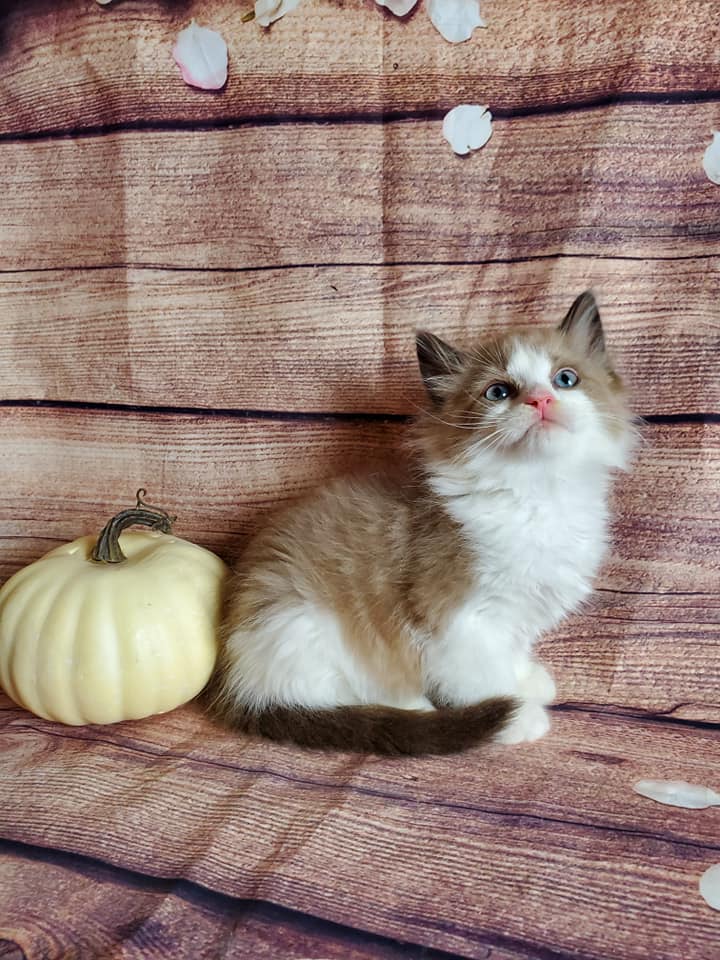
Dental health in Ragdoll cats: causes and prevention
Ragdoll cats are celebrated across Australia for their gentle, docile personalities and striking blue eyes, but their breed-specific traits can also extend to oral health. Many owners in Sydney, Melbourne, and Brisbane report that their Ragdolls seem more susceptible to tartar buildup, gingivitis, and tooth resorption than other breeds. Understanding the underlying reasons for this vulnerability can help owners establish a preventive routine before costly veterinary interventions become necessary.
Australian veterinarians often stress that dental disease is one of the most frequently diagnosed conditions in felines, with around three-quarters of cats over the age of three showing some form of oral issue. For Ragdolls specifically, certain genetic and structural factors combine with lifestyle elements to create a higher-risk profile. Proactive care from kittenhood is widely regarded as the most effective way to safeguard a Ragdoll's teeth and gums throughout its life.
Breed-specific anatomical and genetic factors
Ragdolls are a relatively large, slow-maturing breed, and their jaw structure can play a role in dental alignment. Crowded or misaligned teeth create natural nooks where plaque accumulates, eventually hardening into tartar. The breed's plush, broad facial features sometimes mean teeth sit closer together than in more angular breeds, increasing the risk of food trapping between molars.
Genetic predisposition to inflammatory responses also appears relevant. Some bloodlines carry a heightened susceptibility to feline odontoclastic resorption (FORL) and chronic gingivostomatitis, both of which are painful and progressive. While responsible breeders like Ragdoll Kittens Cattery screen breeding cats for inherited conditions, dental issues can still emerge due to complex polygenic factors that no current test can fully predict.
Common dental conditions in Ragdolls
The table below summarises the most typical oral health issues observed in the breed and the urgency each typically warrants.
| Condition | Typical signs | Urgency |
|---|---|---|
| Gingivitis | Red gum line, mild bleeding when eating | Moderate — address early |
| Periodontitis | Bad breath, receding gums, loose teeth | High — requires vet care |
| Tooth resorption (FORL) | Drooling, difficulty chewing, pawing at mouth | High — often needs extraction |
| Stomatitis | Severe inflammation, reluctance to eat | Very high — specialist care |
| Plaque and tartar buildup | Yellow-brown deposits on canines and molars | Low initially, but progressive |
Periodontitis remains the leading cause of tooth loss in adult cats, and Ragdolls can develop it earlier than expected if preventive measures are skipped. Tooth resorption is particularly common in purebred lines and frequently goes unnoticed because cats instinctively mask pain.
Recognising the warning signs at home
Owners should watch for subtle behavioural shifts rather than waiting for obvious symptoms. A Ragdoll that begins favouring one side of the mouth, drops kibble while eating, or shows reduced interest in dry food may already be experiencing dental discomfort. Increased water consumption, unexplained weight loss, and a sudden preference for softer food are additional red flags.
A simple weekly check at home can catch problems before they escalate. Gently lifting the lips to inspect the gum line, looking for redness or swelling, and noting any foul odour helps establish a baseline. In Australia's warmer climates, dehydration can worsen oral inflammation, so ensuring constant access to fresh water is part of the picture. If any concerning changes appear, a prompt visit to a local veterinarian is warranted, as delays can turn treatable issues into chronic conditions.
Professional veterinary care in Australia
Routine dental check-ups form the backbone of long-term oral health for Ragdolls. The Australian Veterinary Association recommends at least one annual oral examination for adult cats, with senior cats seen twice yearly. A professional scale and polish under general anaesthetic typically costs between AUD 400 and AUD 800 in capital cities, depending on the clinic and the extent of work required, which is why prevention offers such strong value.
Pet insurance policies from providers such as RSPCA Pet Insurance, Petplan, and Bow Wow Meow often cover dental illness treatment, though most exclude pre-existing conditions. Choosing a clinic that uses modern dental radiography is important, because more than half of a cat's tooth structure lies below the gum line and cannot be assessed visually. Australian vet schools, including those at the University of Sydney and the University of Melbourne, frequently publish updated guidelines that local practices follow.
At-home care routines
Daily brushing remains the gold standard for plaque control, using a soft pet toothbrush and enzymatic toothpaste formulated for cats. Starting the habit during kittenhood, as Ragdoll Kittens Cattery advocates, helps kittens accept handling around the mouth without stress. For older rescued Ragdolls that resist brushing, gradual desensitisation with finger brushes and flavoured pastes can rebuild tolerance over several weeks.
Dental treats, water additives, and specially designed kibble can complement brushing but should not replace it. Products approved by the Veterinary Oral Health Council (VOHC) carry verified efficacy claims. Many Australian pet shops in suburbs like Fitzroy, Newtown, or Fortitude Valley stock a good range of these approved products, and online retailers such as Pet Circle and Budget Pet Products deliver nationwide.
Diet, toys, and lifestyle support
Nutrition plays a measurable role in oral health. Dry kibble does not clean teeth on its own, but certain prescription dental diets use larger kibble shapes and fibre matrices that scrub the tooth surface as the cat chews. Raw bones, sometimes recommended in Australia under guidance from raw-feeding communities, must be size-appropriate and never cooked, as cooked bones splinter and cause injury.
Chew toys designed for cats, particularly those with textured rubber or dental nubs, provide mechanical cleaning and satisfy natural chewing instincts. Given Ragdolls' indoor-friendly nature, rotating toys prevents boredom and keeps them engaged. Stress reduction matters too, because cortisol from chronic stress can worsen inflammation throughout the body, including the gums. A calm home environment, vertical spaces for climbing, and predictable routines all contribute to overall wellness.
Practical prevention checklist
- Schedule a professional dental check-up at least once a year for adult Ragdolls
- Brush teeth daily or several times weekly with cat-specific enzymatic toothpaste
- Offer VOHC-approved dental treats or kibble as part of the daily routine
- Provide safe chew toys and rotate them to maintain interest
- Monitor gum colour, breath odour, and eating behaviour monthly
- Consider pet insurance that covers dental illness before problems arise
- Maintain fresh water access, particularly during Australia's hot summer months
Ragdolls respond well to gentle, consistent handling, and their willingness to be touched around the face makes daily dental care more achievable than many owners expect. Building these habits early turns oral hygiene into a quiet bonding ritual, protecting the cat's comfort, its long-term wellbeing, and the household budget across many years of companionship.