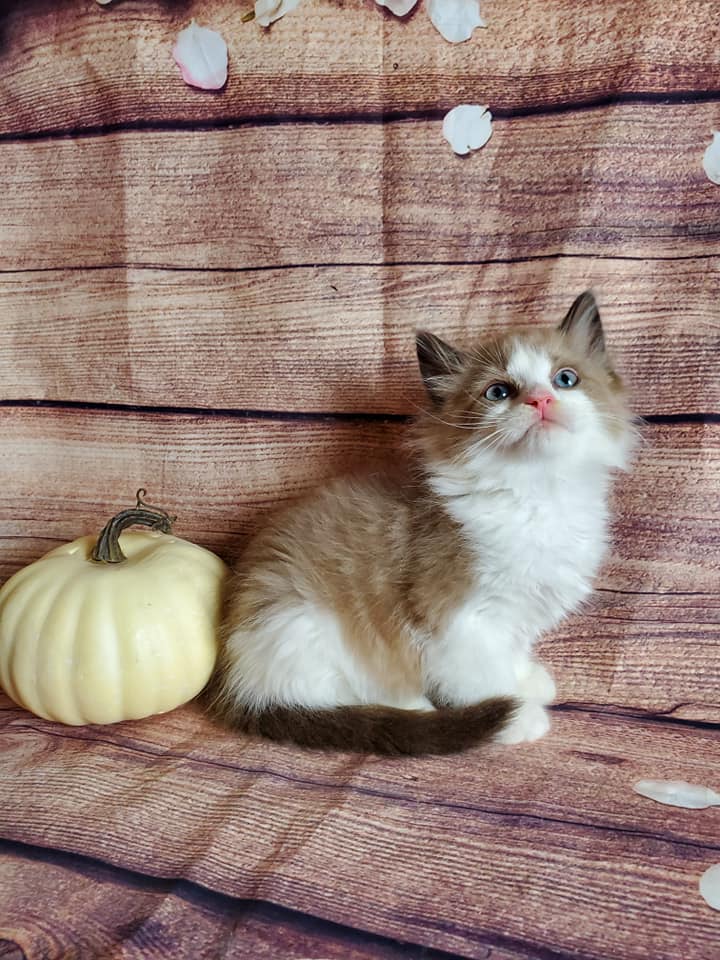
Why Ragdoll cats gain weight easily and what to do about it
Ragdoll cats are loved for their gentle nature, but that easy temperament makes them prone to packing on extra grams. Many Australian owners are surprised when their cat tips the scales at the annual vaccination visit, especially when portions looked reasonable. The breed combines a slower metabolic rate with a love of comfort, so weight control requires more than simply cutting back the biscuits.
Climate plays a significant role. Across Australia, summers push temperatures above thirty degrees, so cats stretch out on tiles or under the air conditioner. Winters in the southern states stay mild, yet the indoor lifestyle limits natural movement. Pair that with calorie-dense kibble from the local Petbarn, and gradual weight gain often goes unnoticed until a vet flags it.
A clear plan covering nutrition, activity, and routine health checks tends to work best. Before changing anything, a quick conversation with your regular vet is worthwhile, since some underlying issues can mimic weight gain or slow weight loss.
A slow metabolism written into the breed
Ragdolls descend from a small foundation of cats, and many modern lines share similar metabolic traits. Their bodies are designed to conserve energy, which suited a long-haired breed in cooler climates historically. In an Australian home, that efficiency works against them. A modest daily intake translates into steady weight gain over a year, especially after desexing, which lowers metabolic rate by roughly twenty percent.
Their solid bone structure and thick coat hide weight changes well. A six-kilogram Ragdoll may look healthy, while a five-kilogram cat of similar build could be carrying dangerous fat. This is one reason our heartworm testing protocol pairs with general health monitoring, since a healthy-weight cat recovers better from treatment and shows clearer signs of wellness.
Indoor living and the Australian way of feeding
Most Australian Ragdolls are strictly indoor cats, shielded from paralysis ticks, snakes, and busy roads. That keeps them safe but removes the patrolling, climbing, and hunting that outdoor cats enjoy. Add a culture of feeding twice a day with a heaped scoop of dry food, often left down between meals, and weight creeps up quietly. Many Aussie households run the air conditioner through long summers, which further reduces spontaneous activity.
Small changes around feeding make a measurable difference. Measuring meals with a kitchen scale, choosing a high-protein diet with named meat at the top of the ingredients list, and limiting treats to about ten percent of daily calories all help. Fresh water should always be available, and in hotter regions of Queensland and the Northern Territory, multiple water stations encourage drinking, which supports kidney health and helps the cat feel fuller between meals.
Spotting the early warning signs at home
The rib test is the simplest home check. Run your fingers along your cat's side, feeling for the ribs beneath a thin layer of fat. They should feel similar to the back of your hand. If you cannot find them, or if the waistline has disappeared when viewed from above, your Ragdoll is likely carrying excess weight. A heavy cat also shows a sway in the back and a noticeable pad of fat over the hips.
Behavioural signs are just as telling. Overweight Ragdolls groom less thoroughly, leading to matted fur along the lower back and hind legs, particularly during the seasonal coat change. They hesitate before jumping onto the lounge or kitchen bench, and they may sleep even more than usual. A vet visit before starting any diet is important, as rapid weight loss can cause fatty liver disease in cats that stop eating well.
Feeding plans that work in real homes
A practical approach for most Australian owners is scheduled meals rather than free feeding. Twice-daily feeding lets you measure intake and notice appetite changes quickly. Wet food has higher protein and moisture content, which helps satiety, while a measured amount of dry food can be used for training and enrichment. Any diet change should be done gradually over seven to ten days.
Treats are another trap. Many cat treats sold in Australian supermarkets are high in fat and salt, and a few extra pieces a day add up over months. Small portions of plain cooked chicken or a commercial treat with over fifty percent protein work better. Avoid table scraps, especially anything seasoned, as many human foods are unsuitable and add unnecessary calories quickly.
Exercise and play for a laid-back breed
Ragdolls are not natural athletes, but they respond well to short, predictable play sessions. Five to ten minutes of wand toy play, twice a day, is usually enough to get a couch-loving cat moving. Fishing-rod-style toys with feathers or ribbons mimic prey and trigger a chase response, even in older or heavier cats. Laser pointers entertain, but ending the session with a tangible toy prevents frustration.
Environmental enrichment matters too. Cat trees placed near windows, especially those overlooking a bird feeder or garden, encourage climbing and observation. In multi-level homes, placing beds and resources on different floors forces the cat to use the stairs throughout the day. Patience is part of the process, and adopting a slower, more mindful approach to daily routines, much like the philosophy behind shooting analog photography, tends to pay off in steady, lasting results.
Comparing protein sources for weight management
| Protein source | Typical protein % | Satiety level | Suitability for overweight Ragdolls |
|---|---|---|---|
| Chicken breast | 70–80% | High | Excellent as a topper or treat |
| Tinned tuna in spring water | 25–30% | Medium | Good occasionally, watch mercury |
| Lean beef mince | 50–55% | High | Use sparingly, higher in fat |
| Commercial wet food (poultry) | 10–12% | Medium–High | Balanced and convenient for daily meals |
| Dried fish treats | 55–60% | High | Limit quantity due to salt content |
Safe weight loss versus crash dieting
- Aim for a loss of one to two percent of body weight per week
- Weigh your cat every two to four weeks using the same scales
- Adjust portions down gradually, never by more than ten percent at a time
- Keep a simple log of meals, treats, and any skipped meals
Building a long-term routine
- Schedule two short play sessions each day at consistent times
- Place food bowls away from lounging spots to encourage movement
- Use puzzle feeders for at least one meal a day
- Book a vet weigh-in every three months until goal weight is reached
A practical takeaway: weigh your Ragdoll monthly, feed measured meals of high-protein food, and commit to two short play sessions a day. Small consistent steps prevent the slow creep of weight that so often catches Australian owners by surprise.