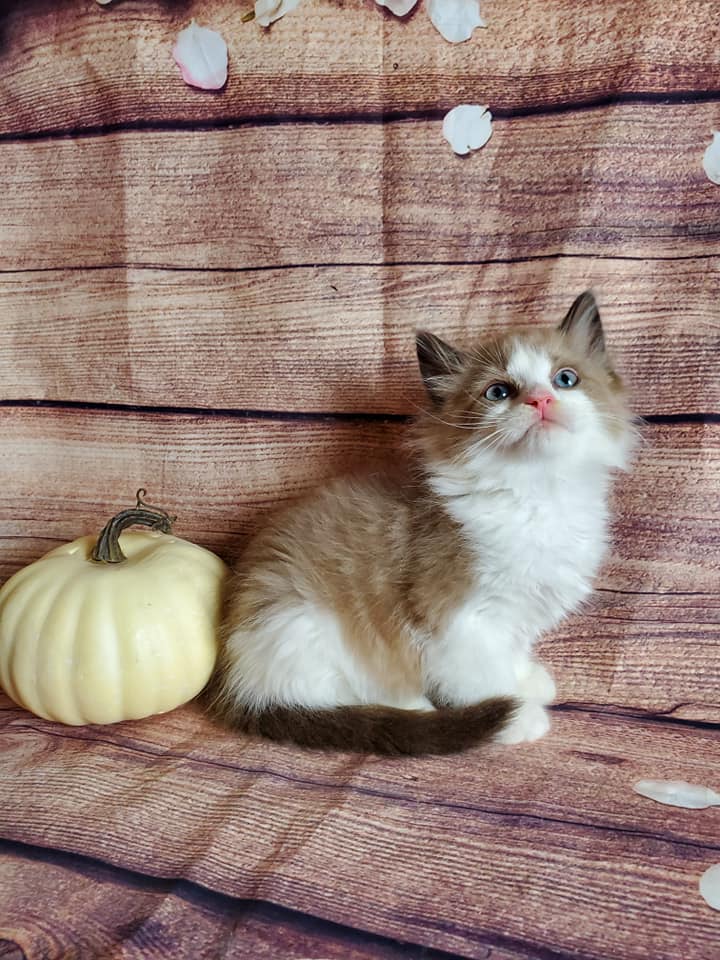
Why Ragdoll Cats Develop Litter Box Problems When Left Alone
Ragdolls earned their name for a reason. These blue-eyed companions melt into your arms the moment you sit down, follow you from the kitchen to the laundry, and greet you at the front door like a loyal retriever. That same devotion, however, leaves them vulnerable when the house goes quiet. Across Australian suburbs and inner-city apartments, owners are noticing a familiar pattern: a perfectly trained kitten who suddenly starts missing the tray the moment daily routines shift or working hours lengthen.
Separation stress in this breed rarely looks dramatic at first. There is no frantic scratching at windows or destructive chewing, behaviours more typical of other breeds. Instead, the signals arrive in the form of small puddles beside the litter box, soiled bedding, or a refusal to use a tray that was previously flawless. Understanding why Ragdolls respond this way is the first step toward preventing the behaviour from becoming a long-term habit.
The Ragdoll Temperament and Attachment Bond
Ragdolls were developed in the 1960s to be gentle, people-oriented companions, and decades of selective breeding have deepened those traits. They form intense attachments to their primary carer, often choosing a single person to shadow throughout the day. Unlike more independent breeds, a Ragdoll left without company for ten or twelve hours may experience genuine distress, similar in nature to what behaviourists describe in highly social breeds.
This attachment is partly genetic and partly reinforced during the socialisation window between two and seven weeks of age. Kittens handled gently by many different people tend to be more resilient, yet even the most well-socialised Ragdoll retains a strong preference for company over solitude. When that need goes unmet, the cat's coping mechanisms often manifest in the one indoor space it can fully control: the litter tray.
Stress, Anxiety, and the Litter Tray Connection
A soiled floor or a freshly urine-marked corner is rarely an act of spite. For a Ragdoll, it is communication. Veterinary behaviourists in Australia routinely identify feline idiopathic cystitis as one of the most common stress-driven urinary conditions, and the litter box is usually the first place the signs appear. The cat may associate the tray with pain after a mild infection, or it may deliberately eliminate elsewhere because the tray has become linked with anxiety.
Hormonal responses also play a role. Cortisol rises during prolonged isolation, affecting bladder inflammation and muscle tension. Some cats begin to mark vertical surfaces near exits, a behaviour that looks territorial but is often a plea for security. Recognising the underlying emotional driver rather than punishing the surface-level mess is what separates a quick fix from a permanent resolution.
Australian Living Conditions That Amplify the Problem
Australian households present a unique mix of stressors for indoor-only Ragdolls. In Sydney and Melbourne, the shift toward apartment living means many cats share compact spaces with limited climbing options, and many owners return home late after long commutes from the CBD or outer suburbs. Brisbane's humid summers make uncovered litter trays smell faster, while Perth's sprawling layouts can leave a single cat genuinely isolated at the back of the house.
Work patterns have also shifted since 2020. Hybrid schedules mean some cats spend two or three days alone, then two or three days with constant company, creating an unpredictable rhythm that Ragdolls struggle to interpret. Add in early-morning gym sessions or weekend arvo cricket matches, and the cat's sense of routine becomes fragmented. Local retailers such as Petbarn and Petstock now stock a wide range of enrichment tools, but choosing the right ones depends on matching them to these specific triggers.
| Common Australian Trigger | Typical Ragdoll Response | Practical Adjustment |
|---|---|---|
| Ten-hour CBD commute, single tray | Crying, missing the tray | Add a second tray, automatic feeder |
| Brisbane humidity, uncovered tray | Avoidance due to smell | Switch to clumping litter, covered tray in a cool room |
| Hybrid schedule, irregular departures | Hiding, door-side marking | Fixed routine cues, gradual alone-time training |
| Compact apartment, no vertical space | Over-attachment, pacing | Tall cat tree, window perch, scheduled play sessions |
These patterns repeat in suburban Adelaide and Hobart homes as well, though the triggers tend to be quieter and easier to manage with consistent feeding times and a dedicated retreat area away from the main living zones.
Reading the Early Warning Signs
Owners often miss the subtle cues in the week before a litter box issue becomes entrenched. Watch for changes in appetite, excessive grooming around the belly, or a new habit of sitting inside an empty basin or sink. Vocalisation that was once reserved for mealtimes may extend into the late evening. Some Ragdolls start sleeping on top of shoes or near the front door, behaviours that signal anticipation of departure rather than contentment.
A useful diagnostic habit is to photograph the litter tray contents once a day. Changes in clump size, frequency, or colour provide early evidence of stress-related cystitis before it becomes an emergency. Keeping a simple log also helps the vet distinguish between a medical issue and a behavioural one, which matters because treatment pathways differ significantly. Australian veterinary clinics are familiar with this presentation and can run urinalysis on the spot in most metropolitan areas.
Practical Steps to Reduce Separation Stress
The most effective approach combines environmental preparation, routine stability, and gradual exposure to alone time. Puzzle feeders, rotating toy selections, and a window perch with a view of a busy street or native bird feeder can occupy a Ragdoll's mind during short absences. For longer days, a feline companion of similar temperament sometimes helps, though introductions must be handled carefully to avoid creating new tensions.
Setting up the home thoughtfully from the start reduces many later problems, and a room-by-room preparation guide can walk new owners through the safest arrangement. Place trays in quiet corners away from noisy appliances, keep at least one tray per floor in multi-level homes, and maintain consistent feeding times so the cat's internal clock stays anchored.
If accidents persist beyond a few weeks, a veterinary check is the sensible move to rule out urinary tract infection, followed by a consultation through the Australian Veterinary Association practitioner directory to address both the medical and emotional layers of the problem.
Booking a fifteen-minute phone consultation with a feline behaviourist this week is a practical way to map out a tailored plan for the cat's specific triggers before the pattern becomes entrenched.