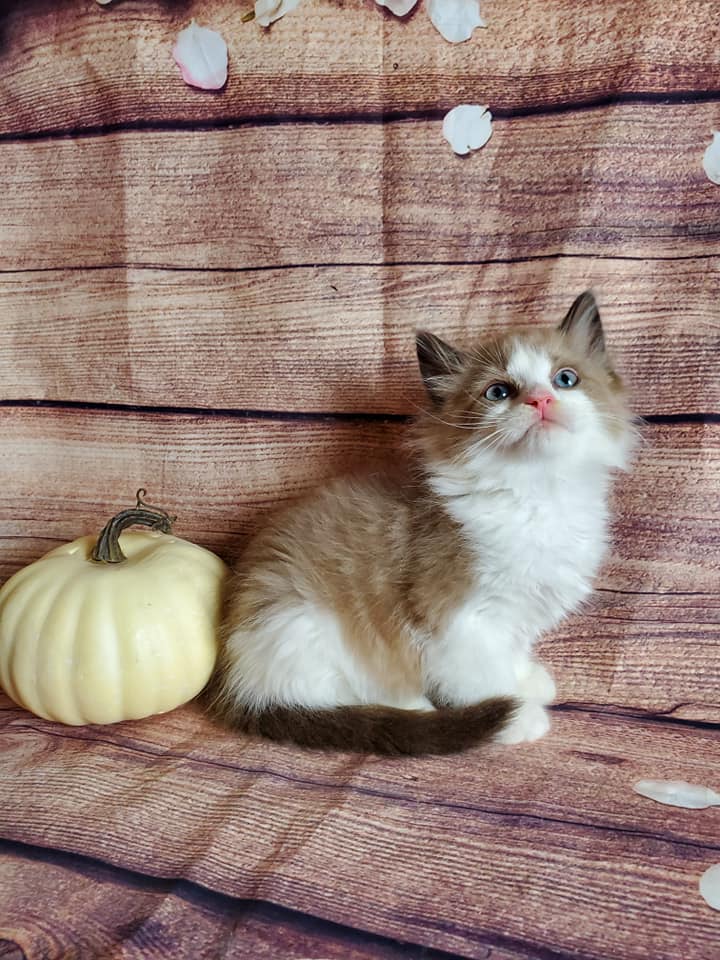
Why Ragdoll Cats Go Limp When Picked Up and What It Means
When someone first scoops up a Ragdoll and the body softens like a plush toy, the moment catches most people off guard. Ragdolls famously abandon all muscle tone and drape across an arm or shoulder, so reliably that the trait gave the breed its name.
Understanding why this happens involves genetics, early socialisation, and individual temperament. For Australian households weighing whether to welcome a Ragdoll, learning the roots of the flop helps owners respond appropriately and avoid mishandling a cat that has surrendered itself to human arms.
The Origin of the Ragdoll Flop Behaviour
The breed traces back to a cat named Josephine in 1960s California, whose unusually placid kittens inspired the name. Early breeders selected for this tendency, and over generations the relaxed response became a defining characteristic still referenced in the breed standard.
Behavioural folklore once blamed the trait on a car accident involving the original matriarch, but modern genetics has dismissed that story. What remains is a genuine, heritable tendency toward low muscle tension during human contact, especially when the cat feels secure. Australian breeders registered with ANCATS or TICA echo this history when introducing kittens in cities from Brisbane to Perth.
The Physiology Behind the Limp Response
When a Ragdoll goes floppy, several things happen at once. The cat voluntarily reduces skeletal muscle tone, drops its head, and lets its legs hang loosely. The nervous system shifts into a rest-and-digest state, lowering heart rate and producing a posture similar to a deeply relaxed sleeping position.
There is no evidence the breed carries a neurological defect causing the limp. Instead, the response is a behavioural shutdown triggered by trust and physical contact, sometimes compared to the stilling reflex seen in young mammals. A flopping Ragdoll is a relaxed Ragdoll, not an injured one.
What Going Limp Signals Emotionally
The limp response is most often a sign of contentment and trust. Cats that feel unsafe, in pain, or stressed will tense, vocalise, or struggle. A Ragdoll that melts into your arms is communicating that the contact feels safe and familiar. Many Australian owners describe their cats flopping during evening television or on a warm Perth veranda, treating the gesture as the highest feline compliment.
In multi-person households, the same cat may go limp for one family member and remain alert for another. This selectivity reflects social memory and early socialisation. Kittens handled daily during the first eight weeks, a hallmark of reputable breeders in Sydney's inner west or Adelaide's eastern suburbs, develop stronger flop responses and adapt more readily to visitors and children.
Is the Limp Response Trust or Submission
A common misconception frames the limp as submission, but dominance language poorly describes feline behaviour. Cats lack the rigid social hierarchies seen in dogs, and the Ragdoll flop is better understood as voluntary relaxation in the presence of a trusted human. Some behaviourists link it to neotenic retention, adult cats keeping juvenile traits like trust toward caregivers.
This distinction matters for handling. Owners who interpret the limp as submission may unintentionally roughhouse or restrain the cat, breaking the trust behind the response. Treating the flop as a compliment, rather than a permission slip, encourages the behaviour to continue. Australian veterinarians working with the RSPCA recommend gentle support under the hindquarters when lifting to prevent back strain.
Training and Handling Tips for New Owners
Because the flop is inviting, new owners should learn to support the cat properly. Always lift with one hand under the chest behind the front legs and the other supporting the back legs and hips. Keep lifts brief at first, especially with kittens, and reward calm behaviour with quiet praise rather than loud excitement. Cradling the cat against the shoulder works well for adults, but avoid dangling postures that twist the spine.
Households bringing a Ragdoll into a Brisbane apartment or a Melbourne townhouse should prepare a calm environment with vertical spaces so the cat chooses when to flop. For families with young children, teach kids to sit and let the cat approach first. These habits reduce defensive reactions and make the flop a daily feature.
Safety and Everyday Considerations
A limp Ragdoll can weigh between four and nine kilograms, so proper lifting protects both cat and owner. Avoid lifting by the front legs alone or under the armpits, which can injure shoulders and ribs. If held for long periods, take breaks so the cat can stretch. Watch for overstimulation signs, such as tail flicking or ear rotation, which signal the cat wants down.
In Australian homes, Ragdolls are usually kept indoors, partly due to wildlife protection laws in the ACT and Victoria, where cat containment policies restrict free roaming. Many owners invest in secure catios or meshed courtyards so the cat can enjoy fresh air. Coming home with arms full of a limp kitten after the supermarket is easier when the door opens automatically, which is why many households take time to program a garage remote before the kitten arrives.
How Ragdolls Compare to Other Easygoing Breeds
While Ragdolls are the most famous for the flop, several other breeds display similar tendencies. British Shorthairs may relax when held but rarely go fully limp. Maine Coons tolerate handling but remain more engaged. Birmans are affectionate but stay alert in arms. Persians often resist lifting altogether. Within mixed-breed cats, the limp response is uncommon and usually linked to early handling rather than genetics.
The differences often come down to how each breed was developed. Ragdolls were refined for a calm, trusting temperament around people, while many companion breeds prioritised appearance or independence. For Australian families, practical implications include how much time the household spends at home, the presence of children, and whether the cat will be lifted frequently.
| Breed | Typical response when picked up | Muscle tone during handling | Notes for Australian owners |
|---|---|---|---|
| Ragdoll | Goes fully limp, often draping | Very low | Best lifted with two-handed support; popular in family homes |
| British Shorthair | Relaxes but stays upright | Moderate | Prefers brief handling; tolerates children well |
| Maine Coon | Remains engaged and curious | Medium-high | Heavy at maturity; needs sturdy support |
| Birman | Soft and accepting, slightly alert | Moderate | Enjoys being carried but watches surroundings |
| Persian | Often resists being lifted | Variable | Best handled on the ground; coat needs daily care |
The flop is one of the clearest signals a Ragdoll offers, a quiet, full-body message of trust no other breed expresses so reliably. Owners who read it, support the cat properly, and respect its boundaries will find the behaviour becomes a daily reward. For anyone welcoming a Ragdoll into an Australian home, the limp is less a quirk than a promise: handled with care, this is a cat that will literally relax into your arms for life.