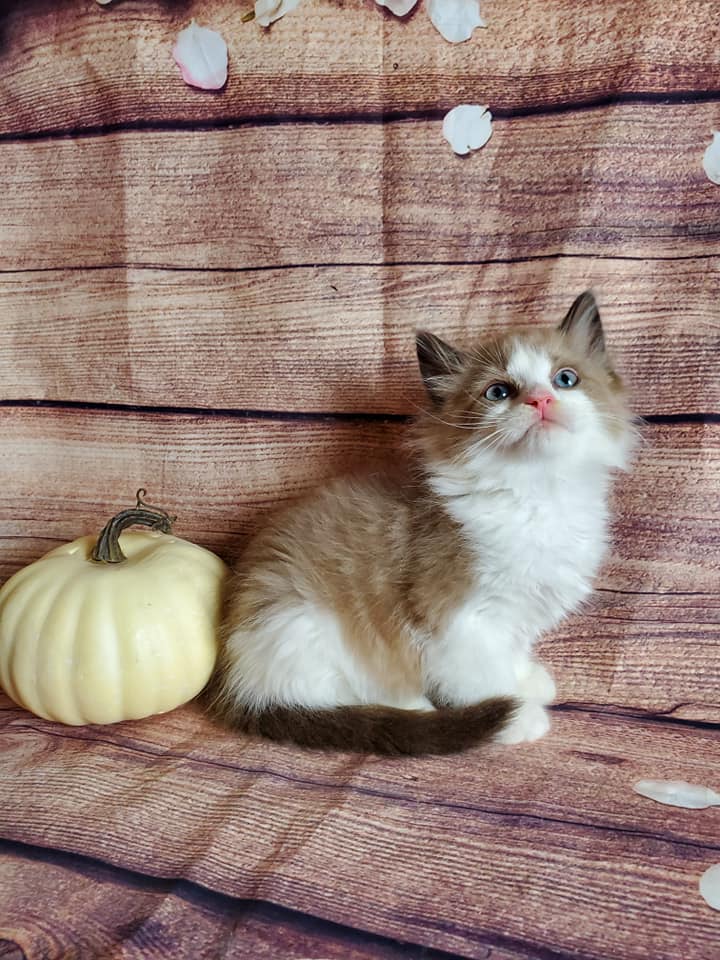
Why Ragdoll Kittens Need Different Nutritional Levels Than Adults
Ragdoll kittens grow slowly compared to most domestic breeds, often taking three to four years to reach their full mature size and weight. This extended growth window shapes every decision a new owner in Brisbane, Perth, or Hobart makes about food. While an adult Ragdoll weighing six to nine kilograms can thrive on a maintenance diet, a kitten of only a few hundred grams requires a carefully calibrated balance of proteins, fats, vitamins, and minerals to support bone, muscle, and organ development.
Pet stores from Chadstone to Cannington stock shelves lined with brightly packaged formulas, and the choice can feel overwhelming. Many Australian families first meet Ragdoll kittens through local breeders, social media groups, or weekend adoption fairs in Sydney's western suburbs and Melbourne's inner north. Regardless of how they arrive, the feeding routine they follow in their first year sets the trajectory for joint health, coat quality, and immune resilience long term.
Because Ragdolls carry a known predisposition to hypertrophic cardiomyopathy, sound nutrition becomes part of a wider preventive approach alongside HCM screening of parent cats. A growth-appropriate diet supports cardiac muscle development, while avoiding excesses of sodium and inappropriate mineral ratios. Australian veterinarians frequently flag this link during the first vaccination visit, especially when kittens are booked in at clinics in Adelaide or the Gold Coast.
The distinction between kitten and adult formulations is therefore not marketing language but a reflection of measurable physiological demands. Calorie density, protein sources, calcium-to-phosphorus balance, and feeding frequency all shift once a cat passes the twelve-month mark. Understanding these shifts allows owners to avoid the common pitfalls of overfeeding a slow-maturing breed or underfeeding a rapidly expanding juvenile.
Protein and fat ratios during growth
Ragdoll kittens require diets containing roughly 30 to 40 percent protein on a dry matter analysis during the first twelve months, while healthy adults maintain well on 26 to 30 percent. Higher protein fuels lean muscle deposition in a breed that ultimately produces a substantial frame, and the amino acid profile supports immune function during early vaccinations. Fats, particularly omega-3 fatty acids from fish oil, contribute to neural development and the silky coat texture the breed is known for.
Adult maintenance formulas reduce fat content to prevent weight gain in less active years, particularly for indoor-only cats in apartments in Surry Hills or Fitzroy. Choosing a kitten-specific recipe until skeletal growth plateaus protects against the soft tissue swelling and joint laxity occasionally reported when large-breed kittens are fed adult maintenance food. Local brands such as Black Hawk and Advance offer stage-appropriate options, and Australian suppliers clearly label life-stage suitability on packaging.
Calcium, phosphorus, and skeletal development
The calcium and phosphorus balance in kitten food is deliberately set higher to mineralise dense bone. Imbalanced ratios, particularly excessive calcium in large-breed kittens, have been associated in veterinary literature with developmental orthopaedic issues. Australian pet food manufacturers must meet national standards, which work alongside AAFCO nutrient profiles to verify life-stage claims printed on bags and cans.
Owners who prepare home-cooked or raw diets should seek guidance from a feline nutritionist, particularly because raw feeding carries additional considerations in Australia around parasite risk and meat sourcing regulations. For most Ragdoll owners in Darwin or Launceston, a commercially prepared complete and balanced kitten food offers a simpler path that has been independently audited for mineral adequacy. The cattery that bred the kitten will usually provide guidance on the specific formula used during weaning.
Feeding frequency and portion control
Kittens benefit from three to four small meals per day because their stomach capacity is limited and their energy requirements are high. Splitting daily portions supports steady blood glucose and reduces the risk of digestive upset during teething. Free-feeding is rarely recommended for Ragdoll kittens, as the breed can develop a hearty appetite and lean towards obesity if portions are uncontrolled, particularly after desexing when metabolic rate drops.
Portion size should be adjusted weekly based on body condition rather than the chart on the bag alone. A simple hands-on check at home, or a weigh-in at the local vet clinic in Parramatta or Geelong, helps owners track growth curves. By the time a kitten reaches twelve months, meal frequency can usually drop to two daily servings as caloric needs decline.
Hydration needs in an Australian climate
Australia's warm climate, with summer temperatures regularly exceeding thirty-five degrees in inland regions, increases a kitten's water requirement. Wet food or a moisture-rich diet supports hydration in ways dry kibble alone cannot. Many Australian cat owners add a water fountain near the food bowl, as cats often prefer moving water and this habit benefits kidney health later in life.
During heatwaves in cities like Adelaide or inland Townsville, kittens may reduce dry food intake while seeking shade. Offering refrigerated wet food or cooled bone broth encourages eating. Sufficient moisture also assists kidney filtration, an important consideration in a breed where renal health is monitored throughout life.
Transitioning from kitten to adult formulas
Moving from kitten to adult food should be a gradual seven-to-ten-day process to avoid digestive upset. Owners typically begin the transition around the first birthday, though slower-maturing Ragdolls may benefit from remaining on a kitten or all-life-stages formula until eighteen months. Reducing protein and fat too early can compromise coat condition and lean muscle tone before growth is complete.
| Nutrient | Kitten requirement | Adult requirement |
|---|---|---|
| Protein (dry matter) | 30–40% | 26–30% |
| Fat | 15–20% | 10–15% |
| Calcium | 1.0–1.4% | 0.6–1.0% |
| Phosphorus | 0.8–1.1% | 0.5–0.8% |
| Calories per kg body weight | 200–250 kcal | 60–80 kcal |
| Meals per day | 3–4 | 1–2 |
A practical starting point is to keep a Ragdoll kitten on its breeder-recommended formula for the first six to twelve months, monitor body condition monthly, and discuss any dietary changes with the supervising veterinarian at the next annual health check. This steady approach honours the breed's slow maturation and supports the healthy heart, strong bones, and gentle temperament that make Ragdolls such enduring companions in Australian homes.