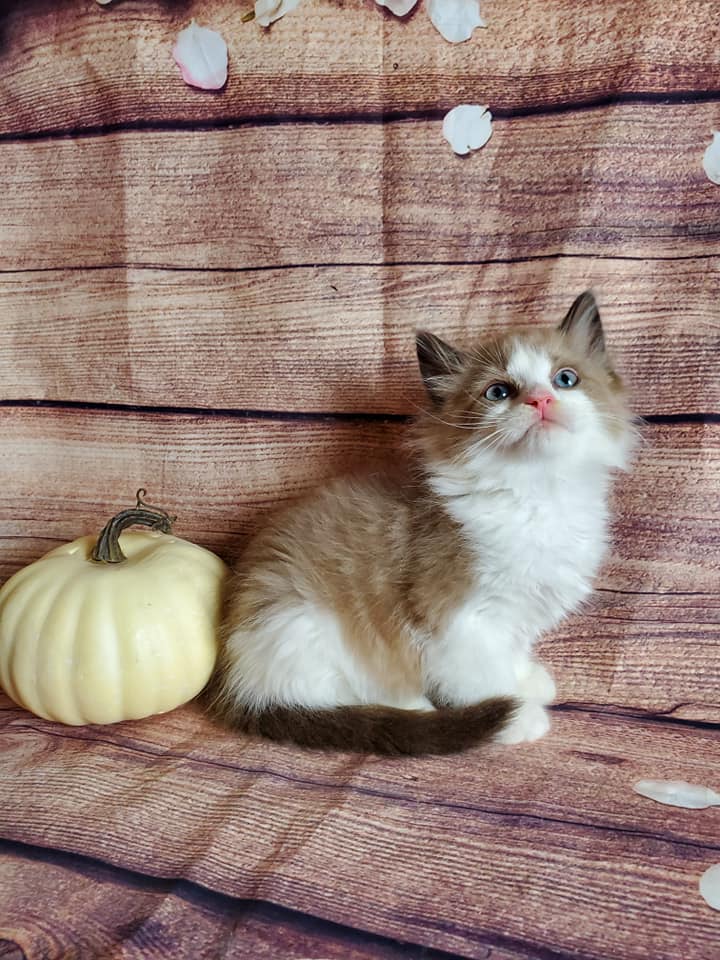
Why Ragdoll Kittens Need Multiple Litter Boxes
Ragdoll kittens are known for their gentle personalities, affectionate nature, and relaxed approach to family life. They are also a large, long-haired breed that benefits from a thoughtfully arranged indoor environment. Litter box placement is one of the simplest ways to support their comfort and encourage dependable bathroom habits.
Providing several litter boxes gives a kitten convenient access when playing, sleeping, or exploring different rooms. It can reduce accidents, prevent territorial tension, and make daily care easier for both the kitten and the household.
Why Access Matters for Ragdoll Kittens
Young kittens have small bladders and may need to eliminate soon after waking, eating, drinking, or energetic play. If a litter tray is too far away, upstairs, or behind a closed door, a kitten may choose a nearby rug or corner instead. Multiple boxes shorten the distance between essential resources and the kitten’s daily activities.
Ragdolls also grow into substantial cats, so a box that seems roomy during kittenhood may become cramped later. A spacious, stable tray allows comfortable turning, digging, and covering. Larger boxes are especially helpful for cats with luxurious coats, since tight spaces can cause fur to brush against soiled sides.
How Many Boxes Are Appropriate
A widely used guideline is one litter box per cat, plus one extra. For example, a home with one Ragdoll kitten should ideally offer two boxes, while a home with two cats should consider three. This arrangement gives each cat options and keeps one box available while another is being cleaned.
The guideline can be adjusted for the home’s layout and the cats’ individual preferences. A single-level apartment may need fewer strategically placed boxes than a multi-story house. Senior cats, kittens with digestive or urinary concerns, and cats that avoid busy areas may benefit from additional trays.
Multiple boxes should also be distributed rather than placed side by side. Several trays in one room may function like one resource from a cat’s perspective, especially in a multi-cat household where one cat can guard the entrance.
Where to Place Each Litter Box
Choose quiet, easy-to-reach locations with good visibility. A kitten should be able to enter and leave without passing through a narrow hallway, confronting another pet, or squeezing behind appliances. Helpful locations may include a bathroom, laundry area, spare room, or open corner near the kitten’s usual living space.
Avoid placing litter trays next to food and water. Cats generally prefer separation between eating areas and elimination areas. Loud washing machines, forced-air vents, and high-traffic doorways can also make a box unpleasant. Ragdoll kittens raised in a calm, family environment often adapt well when their home continues to offer predictable, low-stress routines.
Choosing Comfortable Boxes And Litter
Open, low-entry boxes are often practical for young kittens because they are easy to find and enter. As a Ragdoll matures, select a tray large enough for the cat to turn around comfortably. Covered boxes can help contain scattered litter, but some cats dislike restricted airflow or limited visibility, so observe the kitten’s response.
| Home situation | Helpful setup | Reason |
|---|---|---|
| One young kitten | Two open boxes in separate areas | Easy access during play and rest |
| Multi-cat household | One box per cat plus one extra | Reduces competition and guarding |
| Multi-level home | At least one box on each active level | Prevents long trips and missed opportunities |
| Large adult Ragdoll | Oversized, sturdy tray | Supports comfortable movement and digging |
| Nervous or easily startled kitten | Open box in a quiet location | Provides visibility and a quick exit |
Use unscented, low-dust litter when possible. Strong perfumes may discourage a kitten from using the tray, while dusty products can irritate sensitive airways. If a kitten arrives accustomed to a particular litter texture, change gradually by mixing small amounts of the new product into the familiar one.
Cleanliness Prevents Box Aversion
Ragdolls are often tidy cats, and a dirty litter tray may lead to avoidance. Scoop waste at least once daily, with more frequent cleaning in homes with several cats. Remove clumps and solid waste promptly, then wash the box regularly with mild, unscented soap and warm water.
Avoid harsh chemicals, ammonia-based cleaners, and strong fragrances. Residual odors can make the box less appealing, and ammonia may resemble the smell of urine. Keep spare litter trays available while cleaning so the kitten always has a usable option.
Long fur can sometimes carry litter or waste away from the tray. Regular grooming helps maintain a clean coat, and a washable mat outside each box can catch loose granules. Never punish a kitten for an accident; calmly clean the area with an enzymatic pet cleaner and review access, cleanliness, and box location.
Building Reliable Bathroom Habits
When a Ragdoll kitten first arrives, show the kitten each litter area after meals, naps, and active play. Keep the boxes in consistent places so the kitten can form a clear routine. Positive attention after successful use can reinforce confidence without creating pressure.
Watch for changes such as frequent trips to the tray, straining, crying, blood in the urine, diarrhea, constipation, or sudden accidents. These signs can indicate a health issue rather than a training problem and should be discussed promptly with a veterinarian. Responsible breeders focus on health and early socialization, but every kitten still needs attentive care after joining a new family.
Practical Litter Box Recommendations
- Provide one box per cat, plus one additional tray whenever possible.
- Choose spacious, stable boxes with easy entry and unscented, low-dust litter.
- Place trays in separate, quiet locations away from food and loud equipment.
- Scoop daily and wash boxes regularly with mild, fragrance-free products.
- Monitor bathroom habits and seek veterinary advice when behavior changes suddenly.
At Ragdoll Kittens Cattery, kittens are raised indoors in a cage-free family setting and handled daily as they learn household routines. Families considering a Ragdoll kitten can prepare a comfortable litter area before arrival, then build on the kitten’s established habits with patience and consistency. Contact Ragdoll Kittens Cattery to learn about available kittens, their health care, and the steps toward welcoming a well-socialized companion into your home.