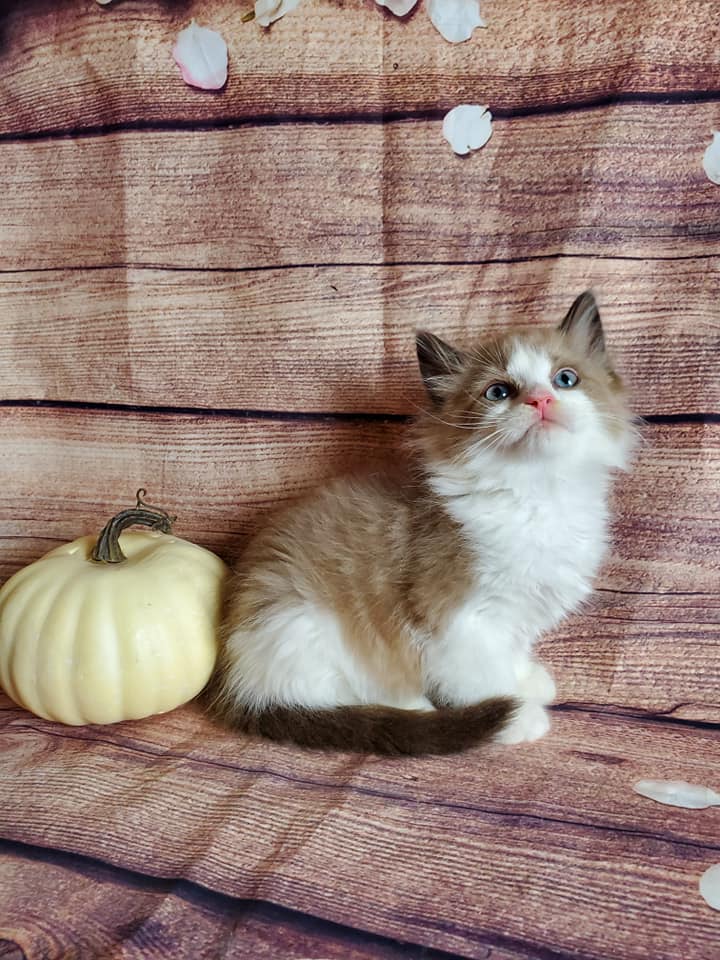
The Right Age To Desex Your Ragdoll Kitten In Australia
Spaying a female Ragdoll or neutering a male is an important part of responsible pet ownership. The timing can influence reproductive health, behaviour, household routines and the risk of unplanned litters. Although Ragdolls mature more slowly in body and coat than many breeds, they can still reach sexual maturity while they appear kittenish.
For Australian families, the best age is decided with a veterinarian rather than by breed myths alone. Your kitten’s weight, general health, vaccination status, planned lifestyle and the clinic’s anaesthetic protocols all matter. A well-timed procedure supports a safe transition into life as a cherished companion or therapy cat.
| Timing | Potential advantages | Points to discuss with your vet |
|---|---|---|
| Around 4–6 months | Helps prevent early pregnancies and may reduce spraying or calling | Body size, health, anaesthetic safety and recovery |
| Around 6–9 months | Allows additional growth before surgery | Whether sexual behaviours have already started |
| After 9 months | May suit selected medical or developmental circumstances | Greater chance of mating behaviour or accidental breeding |
Why Timing Matters For Ragdolls
Ragdoll kittens are known for their gentle temperament, social nature and substantial adult size. Their slow physical development can make owners assume they should automatically be desexed much later, yet reproductive maturity does not wait for a full adult coat or final body weight. Some cats can become fertile from about four to six months.
Desexing before sexual activity begins can reduce the likelihood of urine marking, roaming, persistent calling and conflict with other cats. It also removes the risk of pregnancy in females and prevents a male from contributing to accidental litters. The procedure should still be planned around the kitten’s individual condition, rather than performed simply because a calendar date has arrived.
Health Benefits Beyond Breeding Control
Spaying eliminates the risk of pyometra, a potentially life-threatening infection of the uterus, and greatly reduces the chance of mammary cancer when completed before repeated heat cycles. Neutering removes the risk of testicular cancer and can lower some hormone-driven behaviours. These are meaningful benefits for indoor cats that may live well into their teens.
Desexing does not replace routine preventive care. Ragdolls still need vaccinations, parasite control, dental attention and weight monitoring. Australian households may also need to consider flea and tick exposure, heartworm risk in some regions and the effect of hot summers on indoor activity. A clinic can combine the procedure with a broader wellness review.
Choosing An Appropriate Age In Australia
Many Australian veterinarians discuss desexing at approximately four to six months, provided the kitten is healthy and large enough for the clinic’s protocol. Some practices prefer a later appointment, particularly when a kitten is small, has a medical concern or needs more time to complete vaccinations. A Ragdoll’s breed status alone does not require postponement.
Local conditions can affect practical planning. In Sydney, Melbourne or Brisbane, busy clinics may have waiting periods, while regional owners may need to travel to a hospital with feline anaesthesia experience. Council registration and microchipping requirements vary between states and territories, so owners should check their local council rules and keep identification details current after adoption.
Preparing For A Calm Recovery
Before surgery, ask whether your kitten should fast, which pain relief will be provided and when food can resume. Use a secure carrier with a familiar blanket, and arrange a quiet indoor recovery area away from dogs, children and energetic cats. Ragdolls often seek human company, so calm observation is helpful without encouraging jumping or rough play.
Follow the discharge instructions carefully and check the incision daily. Contact the clinic promptly if you see persistent bleeding, swelling, discharge, severe lethargy, repeated vomiting or refusal to eat. In Australia’s warmer months, keep the recovery room cool and prevent outdoor access until the veterinarian confirms that healing is complete.
Supporting Healthy Habits After Desexing
After desexing, some cats need fewer calories while retaining the same appetite. Ragdolls are large, food-motivated cats, and weight gain can place extra strain on joints and reduce mobility. Ask the veterinarian to recommend a measured feeding plan, then reassess the portion as your kitten grows rather than leaving food available all day.
Daily interactive play, climbing opportunities and puzzle feeders help maintain muscle and mental stimulation. Indoor enrichment is especially useful in apartments in Melbourne or high-density homes in Perth, where free roaming is unsafe or restricted. A gradual transition to an adult diet should be based on growth, body condition and veterinary guidance.
Recommendations For A Confident Desexing Plan
A reputable breeder or cattery should explain the kitten’s health history, provide clear adoption information and remain available as the cat matures. Ongoing communication can be especially reassuring when a new owner is arranging surgery in a different city or state. Ragdoll Kittens Cattery describes its approach to lifetime support, which reflects the value of guidance beyond the adoption day.
Use these practical steps when planning:
- Book a pre-surgery examination with a veterinarian experienced in feline anaesthesia.
- Ask whether desexing at four to six months suits your kitten’s size and health.
- Confirm microchip, registration and transport requirements in your Australian council area.
- Arrange a quiet indoor recovery space and a reliable carrier before the appointment.
- Request written instructions about food, medication, incision checks and activity limits.
- Weigh your cat regularly after recovery and adjust portions with veterinary advice.
Making The Decision With Your Veterinarian
The right age for a Ragdoll kitten depends on a balance of reproductive control, health, development and household circumstances. Waiting without a medical reason may allow heat behaviour, spraying or an accidental mating to begin, while rushing a fragile or unwell kitten is equally unwise. A personalised examination gives the clearest answer.
For families adopting from a small, health-focused cattery, the discussion can begin before the kitten comes home. Ask for vaccination records, relevant screening information and the breeder’s recommended desexing window, then share those details with your local clinic. Start by booking a pre-operative consultation for your kitten and recording the veterinarian’s recommended desexing date.