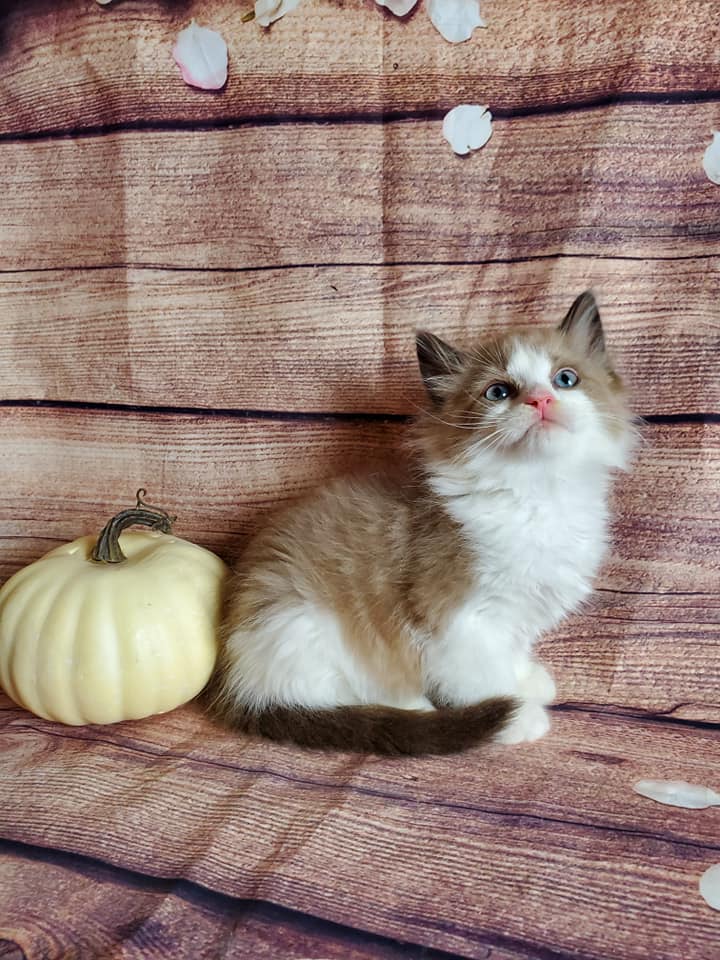
Why Ragdolls Are Called the Puppy Cats of the Feline World
Ragdoll cats have earned the nickname “puppy cats” because of their unusually people-oriented nature. They often follow family members from room to room, greet visitors at the door, and settle nearby when someone is working, relaxing, or watching television. Their affectionate behavior can feel surprisingly similar to the companionship associated with a friendly dog.
This gentle breed combines a calm personality with a willingness to participate in household life. Ragdolls are generally sociable without being constantly demanding, playful without being frantic, and devoted without losing their independent feline character. Those qualities make them appealing to families, couples, and individuals seeking a loving indoor companion.
At Ragdoll Kittens Cattery in Helena, Montana, kittens grow up in a cage-free family environment where they receive daily handling and socialization. This early experience helps them become comfortable with ordinary household sounds, human touch, and the routines that shape life as a beloved pet.
They Like To Stay Close
One of the clearest puppy-like qualities of a Ragdoll is the desire to remain near its people. A Ragdoll may trail behind a family member through the house, wait outside a bathroom door, or curl up beside someone rather than choosing a distant hiding place. This behavior reflects the breed’s social nature and strong bond with humans.
Ragdolls often prefer companionship to solitude, though every cat has an individual personality. They may sit beside you while you read, supervise kitchen activities from a safe spot, or stretch across the floor near the family’s daily action. Their presence is usually quiet and comforting rather than disruptive.
Affection Comes In A Calm Package
Ragdolls are known for being gentle, relaxed, and easy to handle. Many enjoy being held, cuddled, or carried for short periods, especially when they have been handled positively from an early age. Their tendency to relax in a person’s arms helped inspire the breed’s name.
This affectionate temperament does not mean every Ragdoll wants constant lap time. Some prefer sitting next to you instead of directly on you, while others become enthusiastic cuddle companions. Respecting each kitten’s boundaries allows trust to develop and helps create a stable, confident relationship.
Their soft voices also contribute to their easygoing reputation. Ragdolls may communicate with quiet chirps, trills, or gentle meows instead of persistent vocalizing. They can be expressive while still fitting comfortably into a peaceful household.
Playful Without Being Overwhelming
Like a friendly puppy, a Ragdoll can bring energy and curiosity to family life. Kittens often enjoy wand toys, soft balls, climbing structures, and interactive games that allow them to stalk, pounce, and chase. Regular play supports healthy movement and gives their intelligent minds positive stimulation.
As they mature, many Ragdolls remain interested in play but settle into a more measured rhythm. They may carry a favorite toy, invite interaction with a paw tap, or watch activity from a cat tree. Their playful side is often balanced by long periods of rest and observation.
| Puppy-like quality | How it may appear in a Ragdoll | What families should provide |
|---|---|---|
| Loyalty | Following people and resting nearby | Daily attention and companionship |
| Sociability | Welcoming familiar visitors and joining household routines | Gentle introductions and positive handling |
| Trainability | Learning routines, names, or simple games | Rewards, patience, and consistent cues |
| Gentle behavior | Calm interaction and soft communication | Respectful handling and quiet spaces |
| Playfulness | Chasing toys and engaging in interactive games | Safe toys, scratching areas, and enrichment |
They Fit Into Family Routines
Ragdolls are often adaptable companions when their basic needs are met. They can enjoy a quiet home, a busy family household, or a home office where someone spends much of the day nearby. Their flexible nature makes them suitable for many indoor lifestyles, provided they receive affection, playtime, grooming, and consistent care.
Their calm disposition can also make them appealing as potential therapy cats. A therapy prospect needs more than a particular breed temperament; it also requires confidence, good socialization, health, and an individual personality suited to gentle interaction. A well-adjusted Ragdoll may have many qualities that support this path, including patience and comfort around people.
Families should remember that a kitten is still a kitten. Young Ragdolls need supervision, safe climbing opportunities, regular play, and patient guidance. Puppy-like friendliness does not remove the need for scratching posts, litter-box care, nutritious food, and veterinary attention.
Their Social Nature Starts Early
A Ragdoll’s adult temperament is shaped by genetics, early experiences, environment, and ongoing treatment. Daily handling in a nurturing home can help kittens learn that human interaction is safe and rewarding. Exposure to ordinary household sounds and gentle routines can also support confidence as they grow.
At Ragdoll Kittens Cattery, kittens are raised indoors with family contact rather than isolated in cages. The cattery is TICA-registered and focuses on purebred Ragdolls, with limited kittens placed as loving pets or therapy companions. Health screening is an important part of responsible breeding, including attention to HCM, FIV, FeLV, and feline heartworm disease.
Prospective families should look for clear communication about veterinary care, lineage, socialization, and the adoption process. A responsible breeder will want each kitten matched with an appropriate home and will explain the care required throughout the cat’s life.
Everyday Ways To Support A Puppy Cat
Ragdolls thrive when their affectionate nature is met with dependable companionship. Simple routines can help a new kitten feel secure while encouraging healthy confidence and good manners.
- Schedule interactive play every day with age-appropriate toys.
- Provide a comfortable cat tree, scratching surfaces, and quiet resting areas.
- Handle kittens gently and allow them to move away when they need a break.
- Maintain regular grooming, veterinary visits, and preventive health care.
- Offer steady companionship while teaching children respectful, calm interaction.
The puppy-cat nickname captures the Ragdoll’s loyal, gentle, and people-focused spirit, but these cats remain wonderfully feline. They bring softness, curiosity, grace, and independent charm to the relationship. With thoughtful socialization and a caring home, a Ragdoll can become a devoted companion who shares everyday life in a quiet, unmistakable way.
Explore the available Ragdoll kittens at Ragdoll Kittens Cattery in Helena, Montana, and learn about their colors, markings, health care, personalities, and adoption process. Contact the cattery to begin finding a well-socialized purebred companion suited to your home.