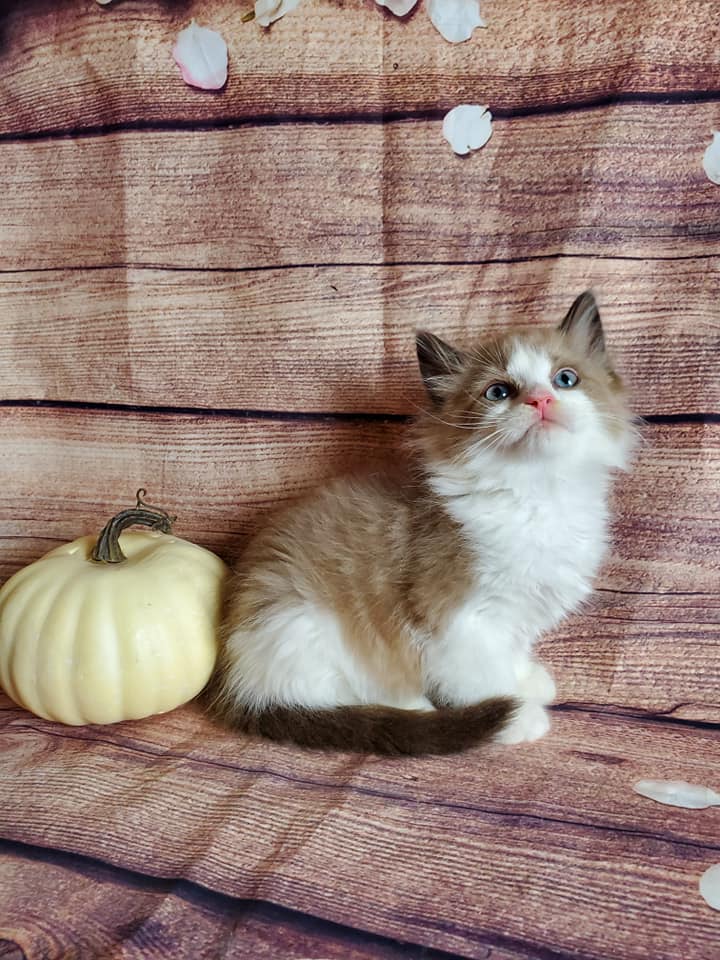
Why Ragdolls Suit Many First-Time Cat Owners
Choosing a first cat involves more than falling for a beautiful coat or striking blue eyes. New owners often want a companion whose temperament, daily care, and communication style are relatively easy to understand. Ragdolls are frequently considered a good fit because they are known for their gentle nature, people-oriented behavior, and adaptable household manners.
Every cat is an individual, and responsible breeding and early socialization matter greatly. A well-raised Ragdoll kitten can offer an especially reassuring start for a household learning about feeding, grooming, play, veterinary care, and feline communication.
A calm and affectionate temperament
Ragdolls are widely recognized for being sweet-natured, patient, and sociable. Many enjoy following their people from room to room, resting nearby, and participating in everyday routines without demanding constant attention. Their relaxed presence can make it easier for first-time owners to build confidence and understand a cat’s needs.
This calm personality does not mean Ragdolls are inactive or unresponsive. They still need play, enrichment, and respectful handling. Most thrive when given interactive toys, climbing opportunities, and regular affection on their own terms. Their tendency to form close bonds also makes them appealing as family companions and, in suitable cases, therapy cats.
Straightforward grooming with regular care
Ragdolls have a semi-long, silky coat that is generally less prone to heavy matting than some other long-haired breeds. They do shed, however, and a grooming routine remains important. Brushing once or twice a week can help remove loose hair, reduce tangles, and allow an owner to notice changes in the skin or coat.
Beginning gentle grooming while a kitten is young can make brushing, nail trims, and routine handling feel normal rather than stressful. A soft brush, a calm environment, and brief sessions are usually more effective than trying to complete a long grooming session all at once. Owners should also monitor ears, teeth, claws, and litter habits as part of ordinary feline care.
Adaptable companions for family life
A Ragdoll often adjusts well to indoor living, provided the home offers comfort, safe exploration, and daily interaction. These cats can suit individuals, couples, and families who are prepared to teach children respectful handling. Their people-focused nature may also help them settle into predictable household routines.
Socialization is especially valuable during kittenhood. At a small, family-centered cattery, kittens that are handled daily and raised around normal household activity can become familiar with human voices, gentle touch, and common sights and sounds. This early experience supports confidence, although each kitten will still develop at its own pace.
What daily life may look like
First-time owners benefit from knowing what a Ragdoll needs beyond affection. The breed is often relaxed, but it still requires structured care, mental stimulation, and regular observation. The following overview can help set realistic expectations:
| Area of care | What new owners can expect | Helpful routine |
|---|---|---|
| Temperament | Affectionate, calm, and often people-oriented | Offer companionship while respecting rest time |
| Grooming | Moderate coat maintenance and seasonal shedding | Brush regularly and check for tangles |
| Exercise | Gentle to moderate activity with playful periods | Use wand toys, puzzle feeders, and cat trees |
| Social needs | Enjoys human interaction and a stable environment | Schedule daily play and quiet bonding time |
| Health care | Requires preventive veterinary attention like any cat | Maintain examinations, vaccinations, and parasite control |
Ragdolls may be less inclined toward frantic activity than some breeds, but play remains important for healthy weight, coordination, and emotional wellbeing. Indoor enrichment can include window perches, scratching posts, food puzzles, and rotating toys. A secure environment is particularly important because a trusting cat may not recognize outdoor hazards.
Health screening supports a thoughtful choice
A kitten’s early environment and the health practices of the breeder are important parts of adoption. Prospective owners should look for clear information about veterinary examinations, vaccination records, parental health, and the kitten’s social development. Responsible programs take steps to identify inherited or infectious health concerns and provide transparent records.
Ragdoll breeders commonly pay attention to hypertrophic cardiomyopathy, or HCM, a heart condition that can affect cats. Health-focused catteries may also screen for FIV, FeLV, and feline heartworm disease as part of a broader preventive care approach. These measures cannot guarantee a lifetime free of illness, but they demonstrate a commitment to informed breeding and responsible placement.
A TICA-registered hobby cattery that raises kittens indoors in a cage-free family setting can give owners useful insight into the kitten’s background. Daily handling, appropriate veterinary care, and honest communication help create a stronger foundation for the transition to a new home.
Matching a kitten to your household
First-time owners should consider lifestyle as carefully as appearance. A Ragdoll can be a wonderful companion for someone seeking a gentle indoor cat, but the breed is not a decorative pet. It needs attention, safe living space, quality nutrition, litter care, and lifelong veterinary support.
Ask about personality, activity level, feeding instructions, litter preferences, and the kitten’s experience with people. A good adoption process should also explain registration status, health documentation, spay or neuter expectations, contract terms, and ongoing support. Limited availability may mean waiting for the right litter rather than choosing impulsively.
Practical steps for a confident start
- Prepare a quiet room with food, water, a litter box, bedding, and scratching surfaces before bringing the kitten home.
- Choose a complete diet with guidance from the breeder and veterinarian, and keep fresh water available.
- Schedule a veterinary visit soon after adoption to review health records and establish preventive care.
- Introduce grooming, nail handling, carriers, and gentle restraint gradually through positive experiences.
- Build a daily rhythm that includes play, rest, social time, and observation of eating and litter habits.
A gentle beginning with the right support
Ragdolls are often recommended to first-time cat owners because their affectionate character, manageable grooming needs, and adaptable indoor lifestyle can make early cat ownership feel approachable. Their needs are still real and lifelong, yet a thoughtfully raised kitten can become a steady, loving presence in the home.
Ragdoll Kittens Cattery in Helena, Montana, offers limited purebred Ragdoll kittens for loving pet homes and potential therapy placements. Contact the cattery to learn about upcoming kittens, health screening, colors and markings, and the adoption process.