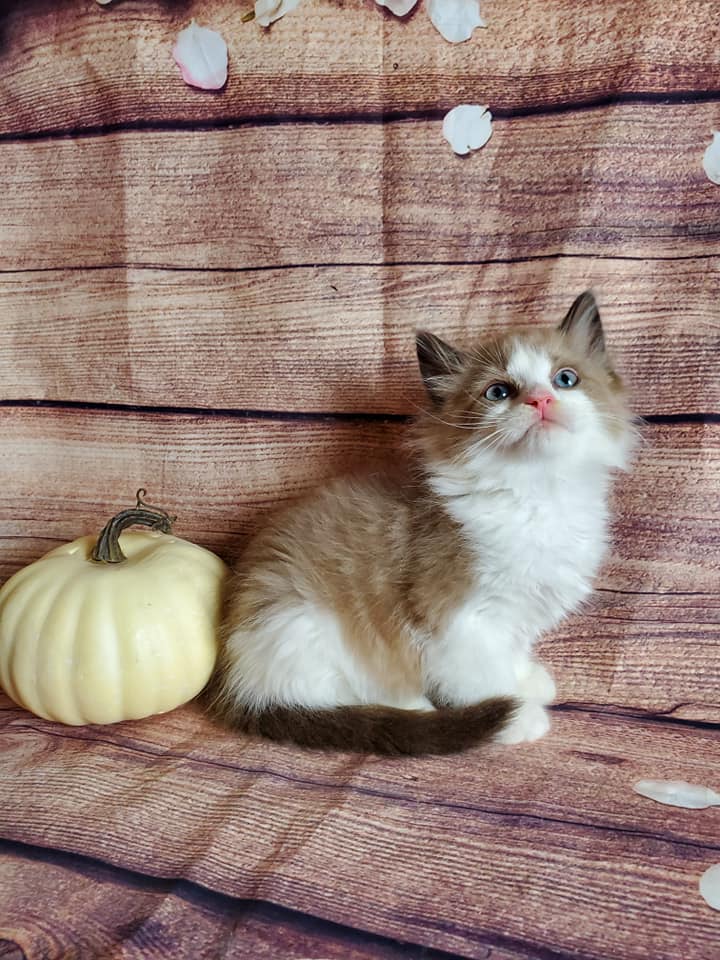
Why Ragdolls are often chosen as therapy cats
Ragdolls are known for their gentle personalities, affectionate nature, and relaxed approach to human companionship. These qualities can make them appealing candidates for therapy work in settings where a calm, friendly animal may help people feel more comfortable and connected.
A therapy cat may visit hospitals, senior communities, schools, libraries, or care facilities with a trained handler. The cat’s role is to provide quiet companionship, pleasant interaction, and emotional comfort. While breed traits can offer a helpful foundation, each cat still needs the right temperament, health, socialization, and preparation.
A naturally calm and people-focused temperament
Many Ragdolls are affectionate without being constantly demanding. They often enjoy sitting near people, receiving gentle attention, and becoming part of household routines. Their easygoing behavior can be reassuring in environments where sudden movement, unfamiliar sounds, or new people may otherwise create stress.
Their tendency to remain composed is one reason the breed is frequently considered for animal-assisted activities. A therapy cat must be comfortable with being approached, touched, and observed by different individuals. A Ragdoll that responds with curiosity rather than fear may adapt well to these interactions.
Individual personality remains essential. Some Ragdolls are outgoing and confident, while others prefer a quieter home and a smaller circle of trusted people. Breed reputation should guide consideration, not replace careful evaluation of the individual kitten or adult cat.
Gentle interaction can support emotional well-being
A calm cat can provide a soothing presence without requiring intense physical activity. The soft sound of purring, the rhythm of stroking a coat, and the experience of sitting beside a relaxed animal may help create a peaceful moment for someone coping with loneliness, anxiety, grief, or illness.
Ragdolls also tend to form close bonds with their families. Their companionship may encourage conversation, routine, and emotional engagement. In a supervised therapy setting, a cat’s presence can give residents, children, or patients a comfortable subject to discuss and a gentle way to participate.
Therapy animals do not replace medical or mental health care. Their contribution is supportive and relational. The best programs use cats as part of a broader care plan, with clear boundaries that protect both the animal and the people involved.
Socialization begins with everyday family life
Early, positive handling is especially important for a future therapy cat. Kittens raised in a family environment may encounter household sounds, different voices, daily movement, and regular human contact from the beginning. These experiences can help them develop confidence and flexibility.
At Ragdoll Kittens Cattery, kittens are raised indoors in a cage-free family setting and handled daily for socialization. This approach allows young cats to experience people as a normal and positive part of life. It can also help breeders observe differences in confidence, energy, curiosity, and tolerance for interaction.
Socialization should continue after adoption. Short, pleasant experiences with grooming, carriers, visitors, gentle handling, and new surroundings can build useful life skills. Progress should be gradual, and a kitten should never be forced into an interaction that causes distress.
| Quality | Why it matters in therapy work | What responsible owners should observe |
|---|---|---|
| Calm behavior | Helps the cat remain settled around unfamiliar people and settings | Recovery after a noise, movement, or brief interruption |
| Affectionate nature | Encourages comfortable, positive contact | Willingness to approach or accept gentle attention |
| Confidence | Supports adaptation to new rooms and routines | Curiosity without persistent fear or hiding |
| Patience | Makes short visits safer and more pleasant | Tolerance for careful handling within the cat’s limits |
| Good health | Protects the cat and the people it visits | Veterinary care, preventive measures, and regular monitoring |
Health and welfare come before public visits
A therapy cat needs to be physically healthy and emotionally comfortable. Regular veterinary examinations, vaccinations, parasite prevention, dental care, and nutrition are basic parts of responsible ownership. A cat that is unwell, fatigued, or stressed should not be expected to participate in visits.
Health screening is also an important consideration when selecting a kitten. Ragdoll Kittens Cattery emphasizes testing and screening for conditions and infections including hypertrophic cardiomyopathy, FIV, FeLV, and feline heartworm disease. These measures support informed adoption decisions and help families understand the health background of their prospective companion.
The cat’s welfare must remain the priority. Visits should be brief enough to prevent overstimulation, with access to a secure carrier or quiet retreat. A handler should watch for signs such as flattened ears, tail lashing, tense posture, repeated vocalization, avoidance, or attempts to escape.
Training creates a reliable therapy partnership
A therapy cat does not need to perform complicated tricks. Instead, training focuses on calm handling, safe travel, polite behavior, and the ability to settle in unfamiliar environments. Positive reinforcement can make carriers, grooming, harnesses, and new routines less intimidating.
The human handler also needs preparation. They must understand feline body language, supervise every interaction, respect consent, and communicate clearly with staff and visitors. A well-matched handler can prevent uncomfortable situations before they become stressful for the cat.
Requirements vary by organization and location. Some programs assess temperament, health records, behavior, and the handler’s skills before approving animal-assisted visits. Families interested in this path should review the standards of the specific facility or therapy-animal organization rather than assuming that every friendly cat will qualify.
Choosing a kitten with therapy potential
Families seeking a therapy companion should look for thoughtful breeder communication and honest observations about each kitten’s development. Questions about socialization, health testing, parents’ temperaments, veterinary care, and the kitten’s response to handling can provide useful context.
A kitten may show promising traits, but no breeder can guarantee that it will become a therapy cat. Personality continues to develop through adolescence and adulthood, and some cats become less comfortable with travel or public interaction over time. A loving pet home is still a successful outcome when the cat’s needs are respected.
Useful signs to consider include:
- Relaxed recovery after ordinary household sounds
- Interest in people without frantic or fearful behavior
- Comfort with gentle handling and routine care
- Curiosity about new spaces when introduced gradually
- A balanced energy level suited to quiet companionship
Begin with a thoughtful match
Ragdolls can bring warmth, steadiness, and affectionate companionship to the right therapy setting. Their breed traits, combined with careful early socialization and responsible health care, may give them a strong foundation for animal-assisted work. The individual cat’s comfort and consent should always guide the decision.
Families in Helena, Montana, and beyond can learn more about Ragdoll colors, markings, health considerations, and available kittens through Ragdoll Kittens Cattery. Contact the cattery to discuss your household, therapy-cat goals, and the temperament that may be the best fit for a lifelong home.