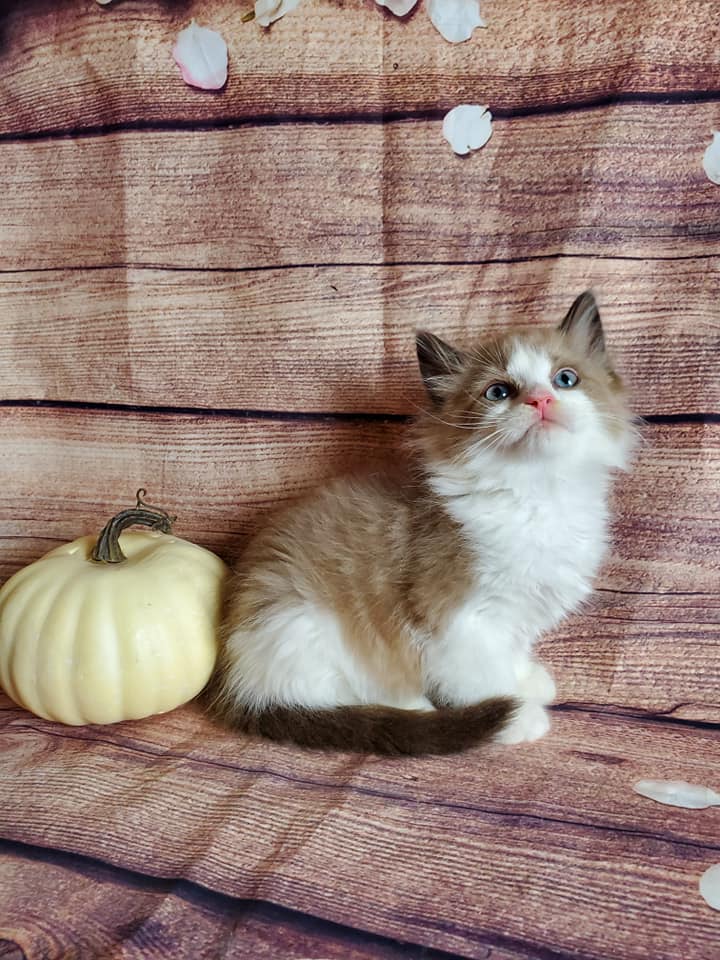
Why Ragdolls Are Prone to Heart Conditions and How We Screen
Ragdolls are known for their calm personalities, affectionate nature, and substantial size. Like every pedigreed cat, however, they can inherit certain health risks. The cardiac condition discussed most often in this breed is hypertrophic cardiomyopathy, or HCM, a disease involving abnormal thickening of the heart muscle.
Responsible screening cannot promise that a kitten will never develop heart disease. It can reduce avoidable risk, identify concerning findings earlier, and support thoughtful breeding decisions. At Ragdoll Kittens Cattery, health evaluation is part of preparing kittens for safe, loving homes and long-term companionship.
Understanding what screening can and cannot show helps families interpret health information accurately. A DNA result, veterinary examination, and cardiac ultrasound each provide different pieces of the picture.
Why Ragdolls Need Cardiac Attention
Hypertrophic cardiomyopathy causes the walls of the heart, especially the left ventricle, to become thicker than normal. As the muscle stiffens, the heart may have difficulty relaxing and filling with blood. Some cats show no obvious signs for years, while others may develop breathing problems, weakness, fainting, or blood clots.
Ragdolls have a recognized breed predisposition to HCM. This does not mean every Ragdoll will become ill, and it does not make the breed unsuitable for families. It means that careful selection, veterinary oversight, and transparent health records are especially important when choosing breeding cats or adopting a kitten.
The Genetics Behind HCM
A known Ragdoll-associated variant in the MYBPC3 gene, commonly called the R820W mutation, can increase the risk of developing HCM. Cats that inherit two copies generally carry a higher genetic risk than cats with one copy, but genetics are not the entire story. Other genes, age, blood pressure, thyroid disease, and unknown environmental factors may influence whether heart disease appears.
A negative genetic test is reassuring for that specific mutation, but it cannot exclude every possible form of HCM. Similarly, a positive result indicates increased risk rather than a certain diagnosis. This is why ethical breeding programs use DNA testing as one part of a wider health strategy instead of treating it as a complete answer.
Screening Beyond a DNA Result
A veterinary examination begins with a physical assessment, including heart rate, breathing, body condition, and listening for a murmur or abnormal rhythm. A normal examination is valuable, but it cannot rule out early HCM. Some affected cats have no murmur, and some murmurs are caused by conditions other than cardiomyopathy.
The most informative noninvasive test for feline HCM is an echocardiogram, or cardiac ultrasound. A veterinary cardiologist can measure heart wall thickness, evaluate chamber size and blood flow, and look for changes that suggest disease. Because HCM can develop with age, periodic screening of cats retained for breeding is more meaningful than relying on a single examination performed early in life.
Other tests may help investigate related concerns. Blood pressure measurement, thyroid testing, and laboratory work can identify conditions that place stress on the heart or imitate cardiac symptoms. FIV and FeLV testing supports overall infectious-disease management, while feline heartworm evaluation may be considered according to veterinary guidance, geographic risk, and clinical signs.
What Each Test Can Tell You
No single test provides a complete lifelong forecast. The value of screening comes from combining appropriate tests with family history, age, physical examinations, and ongoing veterinary care.
| Screening method | What it can show | Important limitation |
|---|---|---|
| MYBPC3 DNA test | Risk associated with a known Ragdoll HCM variant | Does not detect every genetic cause of HCM |
| Physical examination | Heart sounds, breathing, weight, and visible signs of illness | Early HCM may cause no detectable changes |
| Echocardiogram | Heart-wall thickness, chamber function, and blood flow | Results reflect the cat’s condition at that time |
| Blood pressure or laboratory testing | Conditions that can strain the heart or mimic disease | Not a substitute for cardiac imaging |
| FIV and FeLV testing | Exposure or infection status for important feline viruses | These tests do not diagnose inherited HCM |
| Heartworm assessment | Evidence or risk factors related to feline heartworm disease | Testing and prevention depend on veterinary advice |
A Family-Centered Health Program
Health screening works best when it is supported by responsible daily care. At our cattery, kittens are raised indoors in a cage-free family environment and handled every day. This routine helps us notice changes in appetite, energy, breathing, growth, or behavior that might warrant veterinary attention.
Our small, TICA-registered hobby cattery focuses on purebred Ragdolls and places a limited number of kittens as loving pets or therapy companions. Parent cats are selected with health considerations in mind, including screening for HCM-related concerns. We also emphasize testing and prevention related to FIV, FeLV, and feline heartworm disease as part of broader feline wellness.
Kittens receive age-appropriate veterinary care before adoption, and families should continue regular examinations with their own veterinarian. A kitten’s health record should be viewed as a starting point for lifelong care rather than a guarantee about every future condition.
Questions Worth Asking Before Adoption
Prospective owners can make a more informed decision by requesting clear, specific information rather than relying on broad claims such as “healthy lines.” Useful questions include:
- Have the parents received a Ragdoll HCM DNA test, and can the results be explained?
- Has a veterinarian assessed the parents’ hearts, and were echocardiograms performed when appropriate?
- What health records, vaccination details, and parasite-prevention information accompany the kitten?
- What symptoms should prompt an urgent call to a veterinarian after the kitten comes home?
- Does the cattery explain both the strengths and the limitations of its screening program?
A responsible breeder should be comfortable discussing family history, testing dates, veterinary relationships, and the possibility that some conditions cannot be predicted perfectly. Clear communication is part of protecting the kitten and supporting the adopter.
When bringing home a Ragdoll, arrange a veterinary visit soon after adoption and keep routine examinations throughout the cat’s life. Ask your veterinarian whether repeat cardiac imaging, blood pressure checks, or additional testing is appropriate as your cat matures. To learn about available kittens and the health practices behind their care, contact Ragdoll Kittens Cattery directly.