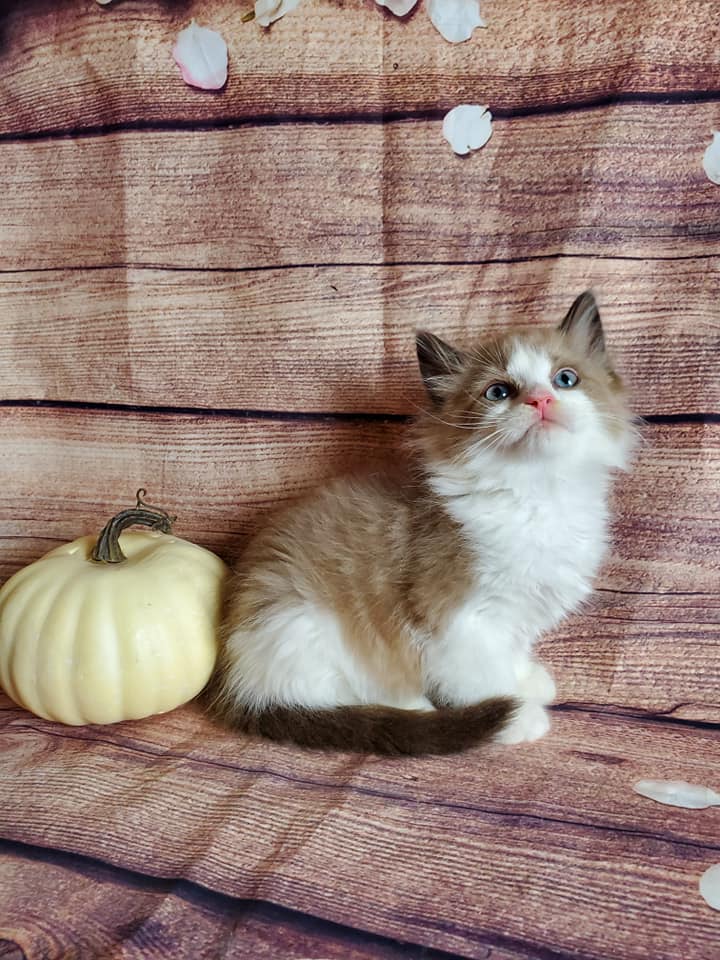
Why Ragdolls Make Excellent Therapy and Emotional Support Cats
Ragdolls are known for their affectionate nature, soft voices, and relaxed approach to family life. These qualities can make them wonderful companions for people who benefit from steady comfort, gentle interaction, and a calming presence at home or in carefully managed therapy settings.
A therapy cat may visit hospitals, schools, nursing homes, or counseling environments with a trained handler. An emotional support cat provides comfort and companionship in the home. These roles are different, yet both depend on a cat’s temperament, health, confidence, and ability to form a trusting bond with people.
At Ragdoll Kittens Cattery in Helena, Montana, kittens are raised indoors in a cage-free family environment and handled daily. Early, positive socialization helps kittens become familiar with household sounds, human touch, and ordinary routines—important foundations for a future companion animal.
Calm Companions With a Gentle Presence
Ragdolls often have a composed, easygoing temperament. They tend to enjoy being near their people without demanding constant attention, which can be reassuring for someone managing stress, loneliness, grief, or emotional fatigue. A cat resting nearby can create a peaceful sense of companionship without the pressure of conversation.
Their quiet nature can also suit households that need a settled atmosphere. Ragdolls may follow family members from room to room, sit beside them during reading or work, and offer affection on their own terms. Every cat is an individual, but the breed’s reputation for gentleness makes it a strong choice for many support-focused homes.
Comfort Through Touch and Routine
Petting a cat can provide a soothing sensory experience. The Ragdoll’s plush coat, relaxed body language, and fondness for close contact may encourage calm, mindful interaction. Stroking a contented cat can help establish a small pause in a difficult day, while purring and quiet companionship may contribute to a comforting home environment.
Routine is another valuable benefit. Feeding, grooming, playtime, and daily interaction give structure to the day and create opportunities to focus on the present moment. Caring for a cat does involve responsibility, so prospective owners should consider whether they can consistently meet the animal’s needs before choosing an emotional support companion.
Social Intelligence and Adaptability
Well-socialized Ragdolls can be responsive to household members and adaptable to different family rhythms. A kitten raised with regular, gentle handling may become comfortable with being picked up, brushed, examined, and approached by people of various ages. This flexibility can be helpful in a busy home or a carefully supervised therapeutic environment.
Therapy work requires more than friendliness. A cat must remain comfortable around unfamiliar voices, mobility aids, new rooms, and changes in routine. Some Ragdolls may be suitable for visits, while others may prefer the predictable comfort of home. Respecting that difference protects the cat’s welfare and creates a stronger human-animal relationship.
Different Roles, Shared Emotional Benefits
Therapy animals and emotional support animals serve different purposes. Therapy cats generally work with a handler in organized visits designed to comfort or engage other people. Emotional support cats provide therapeutic companionship to their owner as part of daily life. Neither role should be assumed solely from breed, and formal access or housing rights depend on applicable laws and policies.
| Companion role | Typical setting | Helpful Ragdoll qualities | Important consideration |
|---|---|---|---|
| Emotional support cat | Private home or approved housing | Affection, calm presence, predictable routines | The cat must suit the owner’s lifestyle and care capacity |
| Therapy cat | Facility visits with a handler | Confidence, tolerance, gentle social behavior | Training, health, and facility requirements apply |
| Family comfort companion | Household setting | Playfulness, companionship, quiet interaction | The cat’s preferences and boundaries should guide contact |
A Ragdoll can offer meaningful emotional comfort without being formally designated as a therapy or emotional support animal. The daily bond itself may provide reassurance, companionship, and a reason to maintain healthy routines.
Health and Early Socialization Matter
A supportive temperament is most valuable when paired with responsible breeding and attentive care. Health screening helps reduce avoidable risks and gives adopters useful information about a kitten’s background. Ragdoll Kittens Cattery emphasizes testing and screening related to HCM, FIV, FeLV, and feline heartworm disease as part of its commitment to healthy kittens.
Daily handling in a family environment also supports confidence. Kittens can gradually learn that human hands, household activity, grooming, and ordinary noises are safe experiences. This does not guarantee a particular adult personality, but it gives each kitten a stronger foundation for becoming a well-adjusted companion.
Choosing a Companion for Supportive Living
The best match depends on the individual kitten and the adopter’s needs. Someone seeking a calm home companion may value a kitten that enjoys proximity and settles easily. A potential therapy animal needs additional evaluation for confidence, recovery from mild stress, tolerance of handling, and interest in interacting with unfamiliar people.
Before adoption, discuss the kitten’s personality, health records, expected grooming needs, and long-term care requirements with the cattery. A reputable breeder should welcome thoughtful questions and help determine whether a Ragdoll is appropriate for the intended role.
- Choose a kitten based on observed temperament as well as breed characteristics.
- Confirm health screening, vaccination, deworming, and veterinary care records.
- Consider whether your home can provide daily interaction, grooming, play, and stable routines.
- Introduce new people, sounds, carriers, and handling gradually with positive reinforcement.
- Seek professional guidance before beginning therapy visits or representing a cat as an emotional support animal.
Ragdolls can bring warmth, stability, and gentle companionship into the lives of many people. Their affectionate nature and relaxed presence may make everyday moments feel more connected, while early socialization and careful health practices support a confident start.
If you are looking for a purebred Ragdoll kitten in Montana, explore the available kittens and adoption information from Ragdoll Kittens Cattery. Contact the cattery to discuss your household, the type of companionship you hope to build, and which kitten may be the right fit for a loving home or future therapy partnership.