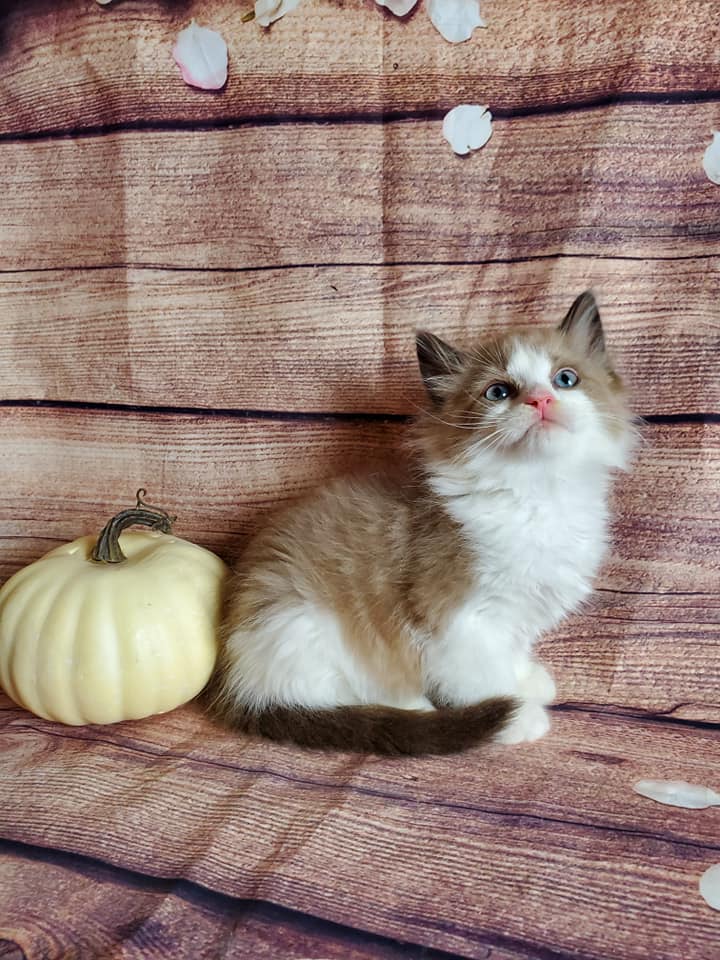
Why Regular Grooming Matters for Ragdoll Cats in Helena's Climate
Ragdoll cats draw admirers everywhere with their silky, semi-long coats and calm, affectionate personalities. That luxurious fur, however, does not maintain itself. Consistent grooming keeps the coat free of tangles, supports healthy skin, and reduces the amount of hair shed onto furniture and clothing. For owners in places with sharp seasonal swings, such as Helena, Montana, a predictable routine becomes even more important because the local air and indoor heating both influence coat condition.
Helena sits in a broad valley with a semi-arid continental climate. Winters bring sub-freezing temperatures and low humidity, while summers warm up quickly with dry breezes. Households respond by running furnaces for months, which strips moisture from the air indoors. Cats living in these heated environments often develop drier skin and a static-prone coat, two factors that change how grooming should be approached throughout the year.
Readers in Australia will recognise parts of this picture, particularly those living in cooler inland regions such as Canberra, Ballarat, or the highlands of New South Wales. Similar patterns appear in many Tasmanian homes during winter. Understanding how a dry, heated interior affects a Ragdoll helps owners across different hemispheres adapt their routines to local realities rather than copying advice written for humid coastal climates.
The sections below break down the coat type, the climate influences, seasonal shifts, tools, technique, and broader hygiene tasks. They also address how Australian households can adjust these principles for their own conditions while keeping the core needs of the breed firmly in mind.
The Ragdoll Coat and Its Specific Demands
The Ragdoll has a single layer of guard hairs rather than the dense double coat seen in Persians or Maine Coons. This makes the breed lighter to handle and less prone to severe matting, though tangles still form behind the ears, under the legs, and around the collar area. The silky texture means knots slide out more easily when addressed early, but neglect allows small tangles to tighten quickly.
Because the coat lacks a thick insulating undercoat, Ragdolls rely more on ambient temperature and household heating to stay comfortable. This relationship between environment and fur is central to understanding why grooming frequency changes with the seasons rather than staying fixed all year.
How Helena's Dry Air Changes the Equation
Cold air holds little moisture, and Helena's winter humidity often drops below thirty percent. Once a furnace starts cycling, indoor readings can fall into the teens. Skin responds by producing less natural oil, and the coat loses some of its soft sheen. Brushing too aggressively during these months can irritate dry skin and create static that pulls hair uncomfortably.
Owners in Australian capitals face the same issue on different timetables. In Melbourne or Hobart, winter heating runs for several months, and many homes use ducted gas or reverse-cycle systems that dry the air quickly. Adding a humidifier or placing bowls of water near heat sources helps maintain coat health in both locations.
Seasonal Shedding and Timing
Ragdolls shed steadily throughout the year, with two heavier periods as daylight hours change. In Helena, the spring moult begins around March as days lengthen, and an autumn drop occurs in October before the deep cold sets in. Australian cats experience the opposite rhythm, with shedding peaks in September to November and again in March to May.
Planning brushing sessions around these transitions prevents loose hair from matting into the coat and reduces hairball frequency. A few minutes every day during peak shedding works far better than an hour-long session once a month, which often overwhelms both cat and owner.
Tools and Technique That Work
A wide-tooth stainless steel comb is the foundation tool for a Ragdoll. It glides through the silky coat without scratching the skin and reaches down to the root where loose hair collects. A soft slicker brush helps with finishing and removing surface debris, though it should be used lightly to avoid irritating dry skin.
Technique matters as much as equipment. Short, gentle strokes following the direction of hair growth prevent discomfort. Special attention to friction zones, including the armpits, the belly, and the area behind the ears, keeps small tangles from developing into painful mats. Treats and a calm voice turn grooming into a bonding ritual that most Ragdolls learn to enjoy.
Bathing, Nails, Ears and Teeth
Bathing is rarely necessary for a healthy Ragdoll, though a gentle rinse every few months can help during heavy shedding. A mild, cat-specific shampoo preserves the natural oils that keep the coat soft. Nails need trimming every two to three weeks, particularly the dewclaws, which can curl into the paw pad if neglected.
Ears should be checked weekly for wax or debris, and a quick wipe with a vet-approved cleaner prevents buildup. Dental care is often overlooked but critical. Australian veterinarians frequently note that dental disease is one of the most common health issues in adult cats, and daily or weekly brushing with a pet-safe toothpaste makes a significant difference over a cat's lifetime.
Comparing Grooming Tasks Across Seasons
The table below outlines how core tasks shift through the year for a Ragdoll living in a climate with cold, dry winters and warm summers, similar to conditions found in Helena and in cooler parts of Australia.
| Task | Winter (Cold, Dry) | Spring (Shedding Peak) | Summer (Warm) | Autumn (Shedding Peak) |
|---|---|---|---|---|
| Brushing Frequency | 2–3 times weekly | Daily | Once weekly | Daily |
| Bathing | Rarely | Once if needed | Occasionally | Once if needed |
| Nail Trim | Every 3 weeks | Every 3 weeks | Every 2–3 weeks | Every 3 weeks |
| Ear Check | Weekly | Twice weekly | Weekly | Twice weekly |
| Humidifier Use | Recommended | Optional | Not needed | Optional |
Practical Recommendations for a Healthy Coat
- Brush two to three times weekly during stable seasons, increasing to daily during spring and autumn shedding periods.
- Use a wide-tooth comb as the primary tool, reserving a soft slicker brush for finishing.
- Add moisture to dry indoor air with a humidifier or open water containers near heat sources.
- Keep grooming sessions short and positive, ending with a small treat to build trust.
- Check nails, ears, and teeth on a consistent schedule rather than only when problems appear.
- Schedule an annual wellness visit with a veterinarian familiar with feline coat and skin health, noting any persistent dryness or irritation.
A reliable routine transforms grooming from a chore into a moment of connection. The next practical step is to set a recurring reminder on a phone or calendar for the first brushing session of the week, then adjust the frequency as the local season shifts.