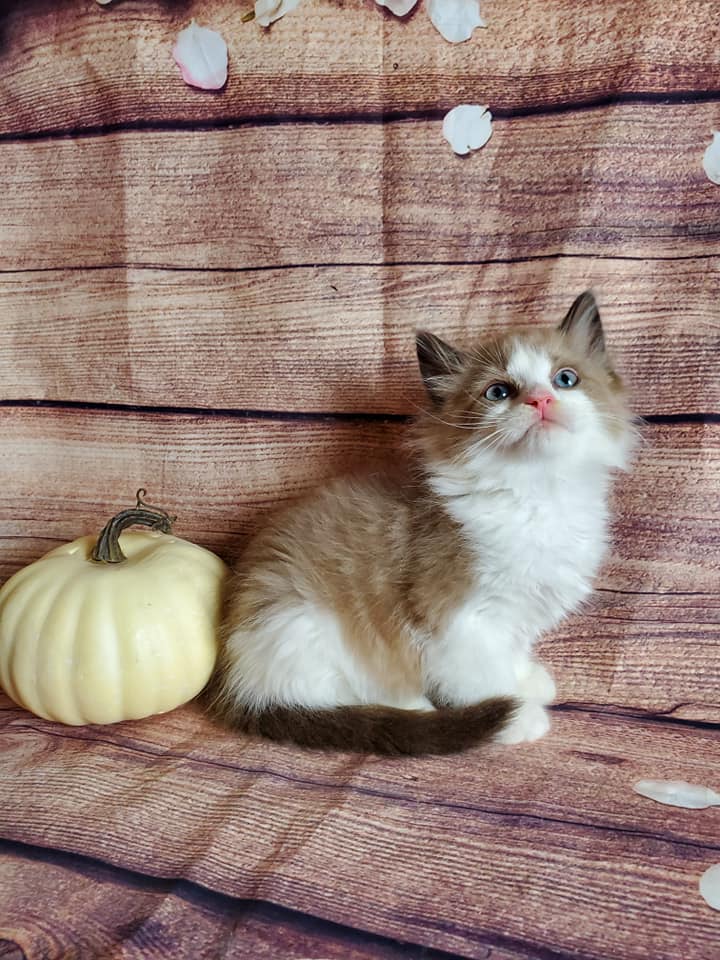
Why we choose a hobby cattery model instead of a large breeder
Choosing a kitten is a deeply personal decision. Families are looking for more than a beautiful coat or recognizable markings; they want a healthy companion with a gentle temperament and a strong start in life. Our small Ragdoll cattery in Helena, Montana, is built around that understanding.
A hobby cattery model allows us to keep our breeding program intentionally limited. Rather than caring for a large number of queens, litters, and kittens at once, we focus on daily interaction, careful observation, and meaningful relationships with each family. This approach reflects the affectionate, people-oriented nature of the Ragdoll breed.
Our kittens are raised indoors in a cage-free, family environment and handled every day. As a TICA-registered cattery, we also place strong emphasis on responsible breeding, preventive care, and honest communication throughout the adoption process.
Individual attention shapes early development
A kitten’s first weeks influence how it responds to people, household sounds, handling, and new surroundings. In a small home-based program, we can give each kitten regular one-on-one attention instead of relying on brief group interactions. We notice individual personalities as they emerge and learn which kittens are especially confident, observant, playful, or calm.
Daily handling helps kittens become familiar with gentle touch, routine grooming, household activity, and human voices. This does not guarantee that every kitten will have the same temperament, since personality is shaped by genetics and experience, but it gives each kitten a thoughtful foundation for life with a family.
The Ragdoll’s history helps explain why this environment matters. The breed was developed for its distinctive beauty and famously relaxed, companionable qualities, and learning about the Ragdoll breed history provides useful context for appreciating its social nature.
A manageable program supports responsible care
Large-scale breeding can involve many competing demands: multiple litters, extensive housing, scheduling, veterinary appointments, and socialization needs. A smaller program gives us the ability to monitor details closely. We can track eating habits, weight changes, activity, litter box use, and interactions with littermates without treating care as a production line.
A limited number of litters also allows us to make thoughtful decisions about pairings and placement. Our goal is to preserve the qualities families value in Ragdolls while prioritizing sound health and stable temperaments. Every kitten represents a long-term commitment, from the first veterinary checks to the conversations that help determine the right home.
This model is less about producing the greatest number of kittens and more about maintaining a high standard of care. It gives the adults in our breeding program space, attention, and appropriate recovery time while allowing kittens to develop in a calm household.
Health testing is part of the foundation
Responsible breeding begins before a litter is born. We emphasize health screening for conditions and concerns that may affect cats, including hypertrophic cardiomyopathy, or HCM, as well as FIV, FeLV, and feline heartworm disease. Testing and veterinary oversight cannot eliminate every possible health issue, but they are important tools for making informed breeding and care decisions.
Health records, examinations, vaccinations, parasite prevention, and age-appropriate veterinary care all contribute to a kitten’s preparation for adoption. We also share relevant information with prospective families so they can understand the care a kitten has received and the responsibilities that continue after adoption.
A smaller cattery makes it easier to keep those records organized and to observe changes promptly. That close attention supports better communication and helps families prepare for a kitten’s ongoing wellness needs.
Why a small setting can feel different
The environment where kittens grow affects the way families experience the adoption process. In a family home, prospective owners can learn about the kitten’s routine, energy level, social preferences, and relationship with people. These details are often more useful than choosing solely by color or pattern.
Ragdolls can display a variety of colors and markings, including pointed patterns, mitted feet, bicolor designs, and lynx features. Appearance is part of the breed’s appeal, but temperament and lifestyle fit deserve equal consideration. A kitten that enjoys quiet companionship may be a better match for one household, while a more playful personality may suit another.
| Consideration | Large breeder model | Small hobby cattery model |
|---|---|---|
| Number of kittens | Often higher volume | Intentionally limited |
| Daily interaction | May vary by staffing and scale | Direct, consistent family handling |
| Environment | May use dedicated facilities | Indoor, cage-free home setting |
| Placement approach | May follow broader availability | Focused on individual family fit |
| Communication | Can be more standardized | Personal and ongoing |
| Socialization | Depends on the facility’s routine | Integrated into daily household life |
A personal adoption process protects the match
Adoption should be a conversation rather than a quick transaction. We want to understand what a family is seeking, whether they have children or other pets, how much time they can provide, and whether they are considering a companion or a therapy cat. These details help us discuss realistic expectations about grooming, companionship, play, and adjustment.
We also encourage families to learn about the Ragdoll breed before making a commitment. These cats are often affectionate and people-focused, but every cat remains an individual. Their size, coat care, need for interaction, and long-term veterinary needs should be considered carefully.
Because we offer kittens in limited numbers, availability may not always be immediate. That slower pace gives families time to prepare their home, discuss responsibilities, and make a decision based on readiness rather than impulse.
What to consider before contacting a cattery
A thoughtful family can make the adoption process smoother by preparing in advance. Consider these practical steps:
- Learn about Ragdoll grooming, nutrition, activity, and companionship needs.
- Review your household routine and decide how a kitten will be supervised and introduced.
- Ask about health screening, veterinary records, vaccinations, and the adoption agreement.
- Consider whether your lifestyle is a good fit for a pet or potential therapy cat.
- Prepare a safe room, litter supplies, food, scratching surfaces, and enrichment before arrival.
These steps help establish realistic expectations and create a more comfortable transition. They also support the kind of open communication that a small cattery is designed to provide.
Begin a thoughtful adoption journey
Our hobby cattery model reflects a simple priority: each kitten deserves time, care, and an appropriate home. By keeping our program small, we can remain closely involved in daily development, health monitoring, socialization, and family placement.
If you are seeking a Ragdoll kitten in Montana or beyond, explore our available kittens and adoption information, then contact Ragdoll Kittens Cattery to begin a personal conversation about bringing home a well-prepared companion.