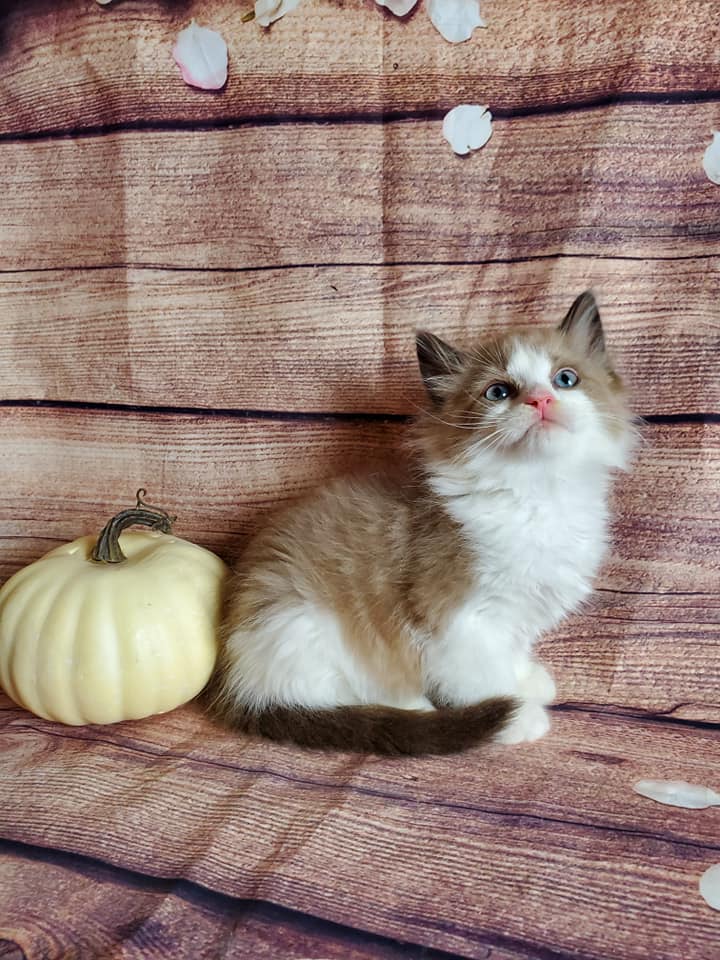
Why we do genetic testing for HCM in our cattery
Responsible Ragdoll breeding begins with protecting the health and quality of life of each kitten. Hypertrophic cardiomyopathy, commonly called HCM, is one of the most important inherited heart conditions to understand in this breed. It can develop silently, which makes thoughtful screening essential before breeding decisions are made.
At Ragdoll Kittens Cattery in Helena, Montana, our kittens are raised indoors in a cage-free family environment and handled every day. Good socialization matters, but it must be supported by careful health practices. Genetic testing for HCM helps us make informed choices for our breeding cats and communicate honestly with families adopting loving pets or therapy cats.
Our cattery is TICA-registered, and we believe responsible care includes sharing what health testing can reveal, where its limits are, and how families can support a Ragdoll throughout life.
Understanding HCM in Ragdolls
HCM causes the muscular wall of the heart to become abnormally thick. Over time, this may interfere with the heart’s ability to relax and pump efficiently. Some cats show signs such as rapid breathing, weakness, or exercise intolerance, while others appear healthy until the disease is advanced. In serious cases, HCM can lead to blood clots or heart failure.
Ragdolls are among the breeds known to have an inherited risk linked to a variant in the MYBPC3 gene. A cat carrying the recognized Ragdoll HCM mutation may pass that variant to its kittens. Genetics are not the only factor involved, and a negative result does not guarantee that a cat will never develop heart disease, but the information is valuable when combined with veterinary care and cardiac monitoring.
Why a DNA test is worthwhile
A genetic HCM test examines a cat’s DNA for a specific mutation associated with the disease. It is generally performed using a cheek swab or another approved sample. Testing breeding cats gives us information before pairing them, allowing us to reduce the likelihood of producing kittens at increased genetic risk.
This type of screening is especially useful because a cat may carry a mutation without showing outward symptoms. A normal-looking heart examination at one point in time cannot identify every inherited risk. Genetic results add another layer of knowledge to the pedigree, helping breeders make decisions based on evidence rather than appearance or assumptions.
What screening can and cannot show
DNA testing is a valuable safeguard, but it is not a complete diagnosis of every form of HCM. The test looks for a known mutation; it does not detect every possible genetic cause of heart disease. A cat that tests negative can still develop HCM for other reasons, including an undiscovered inherited variant or an acquired condition.
For that reason, genetic results should be considered alongside physical examinations and, when appropriate, echocardiography performed by a veterinary cardiologist. An echocardiogram uses ultrasound to evaluate the heart’s structure and function. These tools answer different questions and work best as part of a broader health program.
| Screening method | What it helps us learn | Important limitation |
|---|---|---|
| HCM DNA test | Whether a cat carries the tested Ragdoll-associated mutation | Does not rule out every cause of HCM |
| Cardiac echocardiogram | Whether structural or functional heart changes are visible at the time of the scan | Results reflect that examination and may change with age |
| Veterinary physical examination | General condition, heart sounds, breathing, and other health indicators | A normal exam may miss early or silent disease |
| Pedigree review | Patterns of health and relatedness in a family line | Depends on accurate records and available history |
How results guide our breeding choices
We use genetic information to avoid careless pairings and to preserve the strengths of healthy Ragdoll lines. A result is interpreted in the context of the individual cat, its relatives, veterinary findings, and the goals of the breeding program. Testing is not about labeling a cat; it is about making a responsible decision before kittens are conceived.
Breeding plans also require attention to temperament, conformation, overall wellness, and genetic diversity. Eliminating every carrier from a gene pool without a thoughtful plan can narrow diversity unnecessarily. When a carrier is considered for a breeding program, responsible planning may involve pairing it with a cat that does not carry the tested mutation and retaining only appropriate offspring for future evaluation. Families placing a kitten as a pet receive clear information about its health background.
Transparency supports healthier families
Health records should be understandable and available to the people making a lifelong commitment. We are glad to discuss the testing completed on our breeding cats, explain the meaning of a result, and distinguish genetic screening from a guarantee about future health. No test can replace regular veterinary care, balanced nutrition, weight management, and attention to changes in breathing or behavior.
Preparing a calm, safe environment also helps a new kitten settle and makes it easier to notice normal habits from the beginning. Families can review our guide on preparing your home before bringing a Ragdoll kitten home. Establishing a relationship with a veterinarian soon after adoption is another practical part of responsible ownership.
Health information for prospective families
Prospective adopters should look for a breeder who explains health screening without presenting test results as absolute guarantees. Ask which cats were tested, what mutation the test covers, whether veterinary examinations are part of the program, and what records will accompany the kitten. Clear answers are a sign that health is treated as an ongoing responsibility.
Families considering a Ragdoll as a companion or therapy cat can also evaluate temperament, handling, and early socialization. Our kittens grow up around ordinary household activity and receive daily interaction, giving them a foundation for confident, affectionate behavior. Health-conscious placement considers the whole cat rather than focusing on color or markings alone.
Practical steps for responsible Ragdoll care
Genetic testing begins before adoption, but long-term health depends on the care a kitten receives throughout its life. These habits can help families support a healthy companion:
- Schedule an initial veterinary visit after bringing the kitten home.
- Keep vaccination, parasite prevention, and wellness examinations current.
- Maintain a healthy body weight through measured meals and appropriate activity.
- Learn to recognize changes in breathing, energy, appetite, or mobility.
- Keep copies of health records and share relevant family history with the veterinarian.
Our purpose in testing for HCM is simple: to make better breeding decisions, reduce preventable risk, and give each Ragdoll kitten the strongest health foundation we can provide. Families interested in available kittens or learning more about our screening practices can contact Ragdoll Kittens Cattery in Helena, Montana, to discuss upcoming placements and the care behind them.