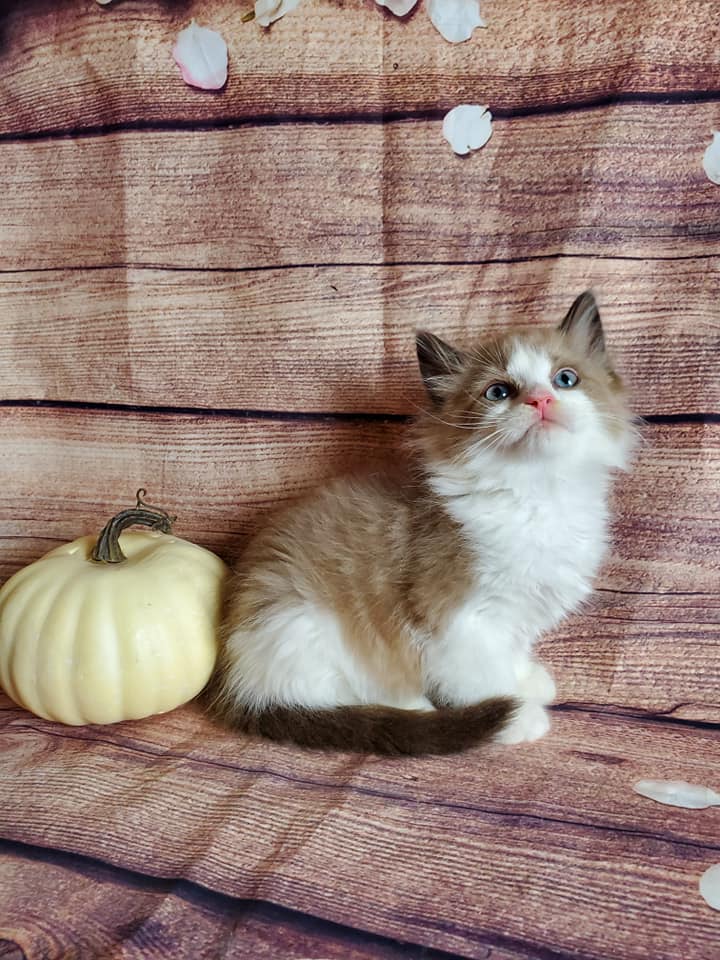
Why We Do Not Support Early Spay/Neuter in Our Program
At Ragdoll Kittens Cattery, we raise purebred Ragdolls in a cage-free, family environment. Daily handling, household sounds, and gentle routines help kittens develop into confident companions. Our placement decisions are guided by long-term health and well-being rather than by a one-size-fits-all timeline.
Why we do not support early spay/neuter in our program is a question families reasonably ask. Our position does not mean we oppose sterilization. Spaying and neutering are important parts of responsible pet ownership, but we prefer to allow each kitten additional time to mature before surgery when a veterinarian agrees that waiting is appropriate.
The timing of an operation can affect recovery, development, and the practical transition into a new home. We therefore discuss expectations clearly with adoptive families and provide a written agreement so the kitten’s future care remains part of a shared commitment.
Our Approach To Healthy Development
Early-age sterilization generally refers to surgery performed before a kitten reaches a more mature stage of physical development. Some shelters and rescue organizations use it to prevent accidental litters before adoption, and that approach can serve a valuable population-management purpose in those settings.
Our cattery has a different structure. We place a limited number of kittens directly with families as loving pets or therapy companions, and we can maintain contact with adopters. This allows us to use a planned timeline instead of relying on surgery before placement as the only safeguard against unintended breeding.
Ragdolls are a slow-maturing, substantial breed. We want families and veterinarians to consider the individual kitten’s size, body condition, medical history, and recovery needs. Timing is treated as a health-care decision, not a convenience deadline.
Why Timing Matters For Ragdolls
Growth involves more than gaining weight. Bones, muscles, hormones, and body condition continue changing throughout kittenhood and adolescence. Some veterinary professionals prefer allowing additional maturity before elective sterilization, particularly for larger or slower-developing cats, while others may recommend an earlier procedure based on the individual circumstances.
There is no universal age that is ideal for every cat. A veterinarian who examines the kitten should make the final recommendation. Our role is to provide accurate background, avoid unnecessary pressure, and help families plan for a safe procedure with appropriate anesthesia, pain control, and follow-up care.
Waiting also gives a kitten time to settle into a permanent home before surgery. A calm transition, familiar caregivers, and a prepared recovery area can make the experience easier for both the cat and the family.
Health Screening Comes Before Placement
Our health philosophy begins well before a spay or neuter appointment. We focus on careful breeding decisions, veterinary care, socialization, and screening for concerns relevant to Ragdolls. This includes attention to hypertrophic cardiomyopathy, FIV, FeLV, and feline heartworm disease.
Heartworm disease can affect indoor cats, and prevention decisions should be based on veterinary guidance and regional risk. Families can learn more about our approach in feline heartworm testing, including why this screening is part of our broader commitment to responsible kitten care.
A healthy kitten is still an individual patient. Before elective surgery, the attending veterinarian may assess weight, hydration, heart and lung sounds, vaccination status, parasite control, and any signs of illness. These details are more useful than choosing a procedure date based only on a general calendar.
How Our Policy Supports Responsible Placement
We do not send a kitten home with the expectation that sterilization can be postponed indefinitely. Pet kittens are placed under terms that protect the breed and prevent unplanned breeding. Families must understand their responsibility and communicate with us if circumstances change.
Our adoption discussions cover the expected timing, the importance of using a qualified veterinarian, and the need to follow professional instructions before and after surgery. We encourage adopters to discuss their kitten’s growth and health history with their own veterinary team rather than following advice from social media or generalized breed claims.
This approach also protects the integrity of our small breeding program. We carefully select homes, place kittens in limited numbers, and remain available to answer questions. Responsible ownership includes making a thoughtful sterilization plan, even when that plan does not involve early surgery.
Comparing Common Sterilization Timelines
| Approach | Typical purpose | Potential benefit | Important consideration |
|---|---|---|---|
| Early-age surgery | Prevent breeding before shelter or rescue adoption | Reduces the chance of an unintended litter before placement | Requires careful patient assessment and specialized anesthesia protocols |
| Surgery before or near placement | Complete the procedure while the kitten is in the breeder’s care | Gives families a defined sterilization status at adoption | Timing may not suit every kitten’s development or recovery needs |
| Later planned surgery | Allow additional physical maturity | Creates time for growth, transition, and individualized veterinary planning | Requires a reliable family and a clear written commitment |
| Individualized timing | Match the decision to the kitten and veterinarian’s assessment | Respects health history, body condition, and household circumstances | Must be actively managed rather than left open-ended |
No single category is automatically right for every cat. Age, size, health, living arrangements, local veterinary resources, and the risk of access to other cats all matter. A responsible plan is one that prevents breeding while protecting the kitten’s welfare.
Preparing Families For A Safe Transition
Families adopting a Ragdoll kitten should prepare a quiet recovery space, follow fasting instructions exactly, and arrange transportation that keeps the cat secure. After surgery, the veterinarian may recommend activity limits, incision monitoring, medication, and a temporary change in routine.
Useful commitments include:
- Schedule a veterinary examination soon after the kitten arrives home.
- Discuss the most appropriate sterilization age with the attending veterinarian.
- Keep the kitten safely indoors and away from intact cats until surgery and recovery are complete.
- Monitor appetite, energy, incision appearance, and litter box habits after the procedure.
- Contact the veterinarian promptly if unusual swelling, discharge, severe lethargy, vomiting, or pain appears.
Good communication is especially important when a kitten is intended to become a therapy companion. A predictable environment, gradual social development, and careful medical planning support the qualities families value in a gentle Ragdoll.
A Thoughtful Plan For Every Kitten
Our policy is grounded in individualized care, breeder responsibility, and trust with adoptive families. We do not support routine early spay/neuter for every kitten in our program because we believe the timing should account for the Ragdoll’s development and the guidance of a qualified veterinarian.
If you are considering a kitten from Ragdoll Kittens Cattery, review the adoption terms, discuss sterilization timing with your veterinary team, and contact us to learn how we plan each kitten’s transition into a healthy, loving home.