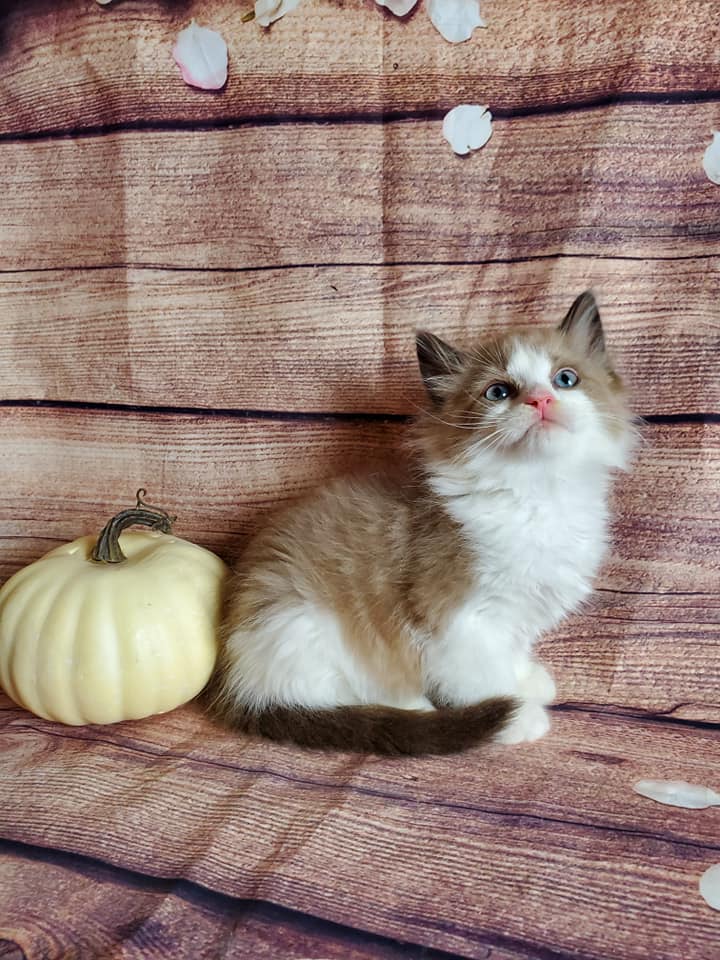
Why Ragdoll Kittens Stay Indoors Until Adoption
Ragdoll kittens are gentle, social, and people-oriented cats, so their early environment has a lasting influence on their health and confidence. At Ragdoll Kittens Cattery in Helena, Montana, kittens remain indoors in a cage-free family setting until they join their adoptive homes.
This approach gives each kitten a protected space to grow, play, rest, and learn. Daily interaction with people helps them become comfortable with normal household sounds and routines while reducing unnecessary exposure to outdoor hazards.
Indoor care is also part of responsible purebred kitten placement. It allows the cattery to monitor development closely, maintain a clean environment, and prepare kittens to become loving companions or therapy cats.
Indoor Life Supports Early Development
Young Ragdolls spend their first weeks building coordination, communication skills, and trust. An indoor home environment provides room for supervised play without the risks associated with traffic, unfamiliar animals, toxic plants, or sudden weather changes.
Because the kittens live cage-free, they can move between safe areas, interact with littermates, and choose comfortable places to sleep. This encourages natural exploration while allowing the cattery to maintain appropriate boundaries around food, litter, and rest.
Indoor living also supports predictable routines. Regular feeding, grooming, playtime, and quiet periods help kittens develop habits that make adoption easier for both the cat and the new family.
Protection From Disease And Parasites
Outdoor exposure can increase the risk of fleas, ticks, intestinal parasites, respiratory infections, and contact with unvaccinated animals. Kittens have developing immune systems, so limiting these exposures is an important part of preventive care.
The cattery follows health-focused practices that include screening for HCM, FIV, FeLV, and feline heartworm disease. Keeping kittens indoors helps reinforce those measures by creating a controlled setting where changes in appetite, energy, digestion, or breathing can be noticed quickly.
A clean indoor environment does not replace veterinary care, but it helps reduce avoidable risks before adoption. It also gives families greater confidence that their kitten has been raised with careful attention to wellness.
A Safer Setting For Montana Kittens
Helena’s seasonal weather can change quickly. Cold temperatures, snow, wind, summer heat, and wildfire smoke can all affect a young cat more severely than an adult. Remaining indoors protects Ragdoll kittens from temperature stress and poor air quality.
The home setting also removes hazards such as roads, predators, poisonous substances, standing water, and accidental contact with chemicals. Ragdolls are curious and trusting, which makes supervision especially valuable during their early development.
| Indoor protection | Why it matters for kittens |
|---|---|
| Stable temperature | Supports comfort and healthy rest |
| Screened windows and doors | Reduces escape and injury risks |
| Clean play areas | Limits contact with parasites and contaminants |
| Supervised interaction | Prevents rough handling and unsafe exploration |
| Consistent household routines | Builds confidence before adoption |
Daily Handling Builds Confident Companions
Ragdoll kittens are known for their affectionate nature, but social confidence still needs to be developed through positive, respectful contact. Daily handling helps kittens become familiar with gentle lifting, brushing, nail care, and routine health checks.
They also encounter ordinary household experiences, such as conversations, footsteps, vacuuming, music, and visitors. These experiences take place at an age-appropriate pace, giving each kitten time to adjust without becoming overwhelmed.
This foundation can be especially helpful for families seeking a companion cat or a potential therapy cat. A kitten that has learned to trust people and adapt to indoor routines may transition more comfortably into a new home.
Health Monitoring Before Adoption
Indoor housing makes it easier to observe each kitten as an individual. Appetite, weight gain, litter box habits, coat condition, playfulness, and social behavior can be tracked consistently rather than guessed from occasional visits.
The cattery can also maintain a cleaner separation between kittens and unknown animals. This supports responsible breeding practices and helps ensure that health concerns are addressed before a kitten is placed with an adoptive family.
Families interested in current Ragdoll kitten availability can review placement information while learning about colors, markings, breed characteristics, and the care expected after adoption. A thoughtful process benefits both the kitten and the household preparing to welcome it.
Preparing For A Smooth Transition
Indoor upbringing gives kittens a practical start for life as companion animals. Most adoptive families expect their new cat to live inside, use a litter box, interact with people, and settle into a home routine. The cattery begins teaching those expectations before adoption day.
New owners can help preserve that sense of security by preparing a quiet room, arranging food and water stations, choosing safe toys, and allowing the kitten to explore gradually. Familiar bedding or a known scent can also make the first few days easier.
Helpful steps for welcoming an indoor-raised Ragdoll include:
- Set up a calm starter room away from heavy household traffic.
- Keep windows, doors, balconies, and screens secure.
- Continue the kitten’s established feeding and litter routines at first.
- Introduce children and other pets slowly and under supervision.
- Schedule a veterinary visit according to the cattery’s health records and recommendations.
Keeping kittens indoors until adoption is a deliberate choice rooted in safety, health observation, and early socialization. It allows Ragdoll Kittens Cattery to provide a stable beginning while preparing each kitten for a loving life with its new family. Explore the available kittens and adoption information to take the next step toward bringing home a well-socialized Ragdoll companion.