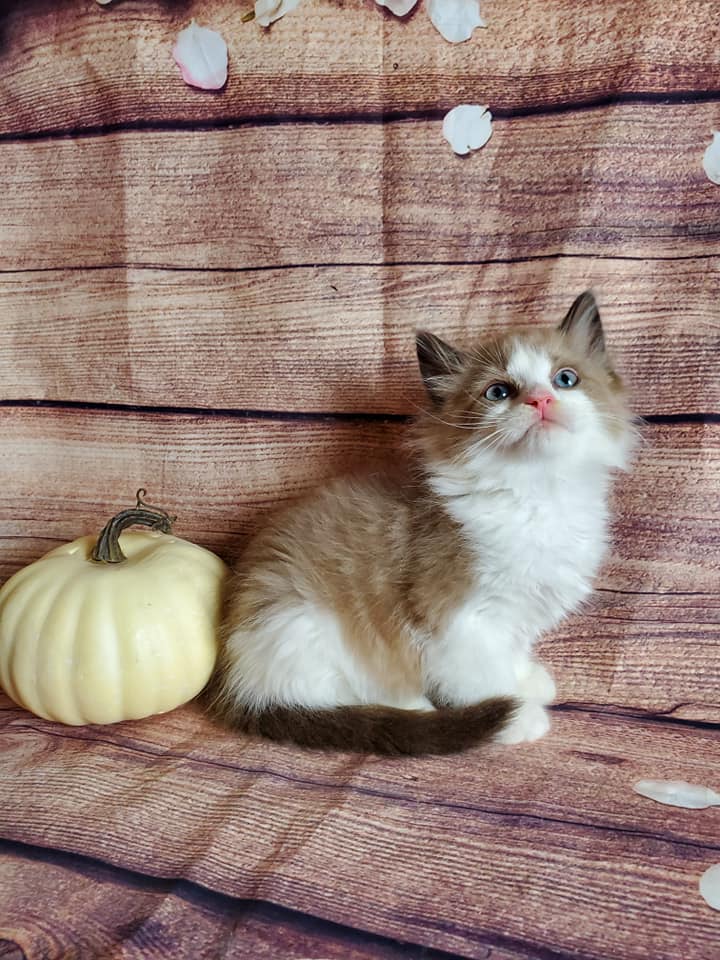
Why we require a vet reference for kitten adoptions
Choosing a Ragdoll kitten is a meaningful commitment. These affectionate, intelligent cats may live well into their teens, so adoption should be approached with the same care given to any long-term family decision. A veterinary reference helps us understand whether a prospective home is prepared for that responsibility.
At Ragdoll Kittens Cattery, our kittens are raised indoors in a cage-free, family environment and handled daily. We work to give each kitten a healthy foundation, and we look for adopters who are ready to continue attentive veterinary care after the kitten goes home.
A vet reference is not intended to make the adoption process difficult or intrusive. It is one part of a careful screening process designed to protect the kitten, support the adopter, and create a strong foundation for a lasting relationship.
Trust begins with responsible care
A veterinarian can confirm important details about an adopter’s current or previous pets. With the owner’s permission, the clinic may be able to verify routine wellness visits, vaccinations, parasite prevention, dental care, and the way medical concerns have been handled.
This information gives us a clearer picture than an application alone. Someone may sincerely love animals while still being unfamiliar with the regular expenses and planning involved in responsible cat ownership. A vet reference helps distinguish good intentions from established care habits.
We also recognize that families may have valid reasons for changing veterinary practices or may be welcoming their first pet. A reference is considered in context, rather than treated as an automatic pass-or-fail judgment.
Protecting kitten health after adoption
Our kittens receive attention to their early development, health, and socialization. We emphasize screening related to conditions such as hypertrophic cardiomyopathy, as well as FIV, FeLV, and feline heartworm disease. Even with careful breeding and preventive measures, ongoing veterinary care remains essential throughout a cat’s life.
A new Ragdoll kitten needs a timely wellness examination, an appropriate vaccination plan, parasite assessment, and guidance about nutrition and future spay or neuter care. The veterinary relationship established after adoption becomes an important part of maintaining the kitten’s wellbeing.
Knowing that a prospective home already works with a trusted clinic can also make the transition smoother. If an unexpected concern arises, the adopter has a professional resource available instead of needing to begin searching during a stressful moment.
Matching families with the right kitten
Ragdolls are often known for their gentle nature, sociability, and tendency to form close bonds with people. Their calm personality can make them wonderful companions and, in suitable circumstances, potential therapy cats. Still, every kitten has an individual temperament and every household has its own rhythm.
A vet reference helps us consider whether the home is prepared for the specific needs of a growing cat. We may discuss existing pets, children, travel schedules, indoor living arrangements, and plans for introductions. These conversations help us identify a suitable match rather than focusing only on appearance or color.
| Adoption consideration | Why it matters |
|---|---|
| Veterinary relationship | Shows that preventive and medical care can be arranged consistently |
| Indoor living plan | Supports safety and reduces exposure to traffic, predators, and infectious disease |
| Existing pets | Helps guide gradual introductions and household compatibility |
| Long-term budget | Accounts for food, routine exams, vaccinations, grooming, and unexpected treatment |
| Family schedule | Ensures the kitten will receive attention, enrichment, and patient socialization |
A reference supports transparency
The request for a vet reference also gives adopters an opportunity to discuss their expectations. Questions about feeding, litter habits, grooming, vaccination records, insurance, or emergency care can be addressed before the kitten leaves our home.
We respect confidentiality and seek only information relevant to responsible pet ownership. A clinic does not need to disclose private medical details about a human client, and an adopter can tell us about circumstances that may affect the availability of a reference.
Open communication is especially valuable when a household has experienced a difficult loss, a pet with complex medical needs, or a gap in veterinary care. Honest context allows us to evaluate the complete situation fairly and focus on the kitten’s future safety.
What adopters can prepare
The process is easier when prospective families gather basic information before applying. They should know the name and contact details of their current veterinary clinic, understand the clinic’s authorization requirements, and be prepared to describe the pets currently or previously in their care.
A new adopter should also consider which veterinarian will see the kitten after arrival. Families outside Helena, Montana, can research local clinics in advance, while local adopters may wish to schedule a first appointment before pickup. If you need details about availability or our adoption steps, you can contact the cattery directly.
The following practices can help create a smooth and responsible transition:
- Authorize your veterinary clinic to confirm relevant care history.
- Arrange a wellness appointment for the kitten soon after adoption.
- Prepare a safe indoor space with food, water, litter, bedding, and enrichment.
- Discuss vaccination, parasite prevention, nutrition, and spay or neuter timing with your veterinarian.
- Share accurate information about household pets, children, and daily routines.
Building a lasting relationship
Requiring a veterinary reference reflects our commitment to thoughtful placements. We want each kitten to enter a home where health care, safety, companionship, and lifelong responsibility are taken seriously.
For adopters, the reference is also a chance to demonstrate preparation and establish trust before bringing home a new family member. When the cattery and the future veterinarian are working toward the same goal, the kitten receives more consistent support during the transition and beyond.
If you are considering a purebred Ragdoll kitten as a companion or therapy cat, review your veterinary plans and reach out to learn about available kittens and the adoption process. A careful beginning can help your new relationship thrive for many years.