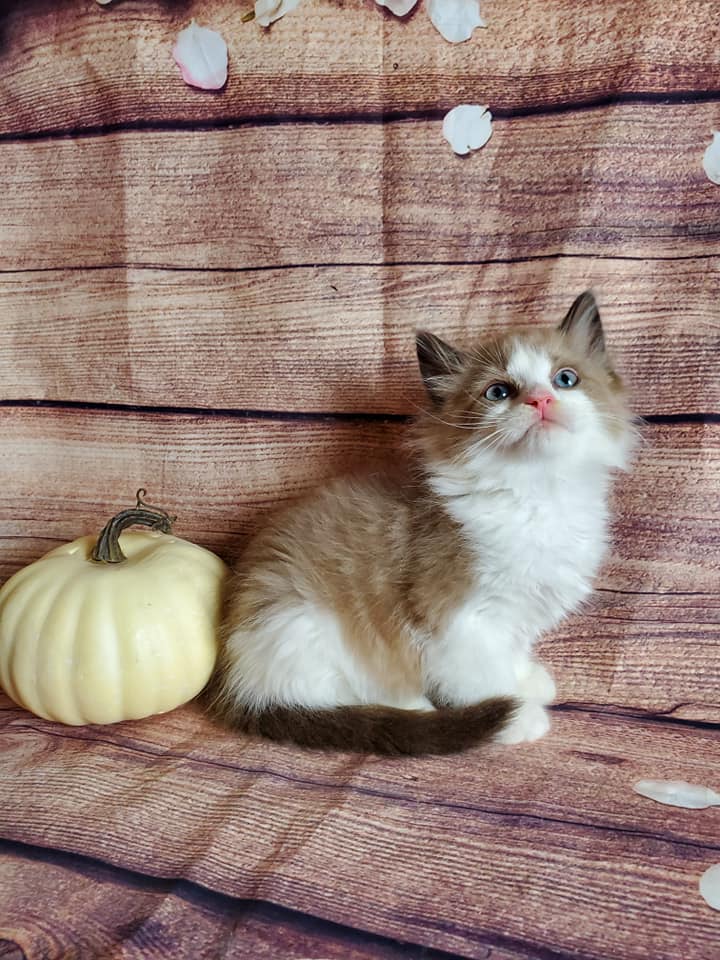
Choosing the right bed for your Ragdoll's joint health
Ragdolls are one of the larger domestic breeds, with mature females often reaching four to six kilograms and males tipping the scales at six to nine kilograms. That substantial frame puts real pressure on hips, elbows, and shoulders, especially as cats age. A bed that cushions those pressure points can make a noticeable difference in mobility and comfort over the years.
Choosing a bed for joint support means looking past the colour of the fabric and focusing on what is inside the cushion. The right choice can help prevent morning stiffness, reduce pressure sores in senior cats, and give a growing kitten a safe place to land during clumsy leaps off the lounge.
This guide walks through the materials, shapes, sizes, and care habits that matter most for a heavy-boned breed like the Ragdoll, with a few Australian-specific considerations from the Murray to Brisbane.
Understanding Ragdoll joint needs
Purebred Ragdolls carry more weight per square centimetre than most domestic shorthairs, and their relaxed temperament means they rest up to sixteen hours a day. Prolonged pressure on a hard surface can flatten the natural padding over the elbow joints and lead to calluses or mild arthritis. Kittens are not immune: rapid growth between four and twelve months strains developing bones, so supportive bedding is worthwhile from the start.
Australian households often feature floorboards, polished concrete, or large-format tiles, all cold in winter and unforgiving on joints year-round. A bed with enough loft creates a thermal buffer as well as a mechanical one, which is why thin mats rarely suit this breed.
Material options for joint support
The filling is the single biggest factor in how well a bed cushions the body. Three categories dominate the Australian pet market: memory foam, polyfill, and orthopaedic foam. Memory foam softens with body heat and moulds to the cat's shape, distributing weight evenly. Orthopaedic foam is denser and rebounds more slowly, offering firmer support for seniors with diagnosed joint conditions. Polyfill is affordable but flattens quickly under a Ragdoll's weight, losing supportive properties within months.
| Feature | Memory foam | Orthopaedic foam | Polyfill |
|---|---|---|---|
| Pressure relief | Excellent | Very good | Fair |
| Durability under heavy cats | 4–6 years | 5–8 years | 6–12 months |
| Heat retention | Moderate to high | Moderate | Low |
| Price range (AUD) | $80–$220 | $120–$300 | $25–$70 |
| Best for | Adult Ragdolls, mild stiffness | Seniors, diagnosed joint issues | Kittens, temporary use |
For most Ragdolls, at least five centimetres of memory foam hits the sweet spot between comfort, support, and price. Australian retailers like Petbarn and Petstock carry a range of options, though specialist brands sold through local catteries often use higher-density foam than big-box budget lines.
Shape, size, and bolsters
Ragdolls love to stretch out full-length, and a bed that is too small forces them to curl, straining the spine. Measure your cat from nose to tail base when relaxed, then add fifteen centimetres for the minimum internal diameter. A circular bed should be at least sixty centimetres across for an average adult, while rectangular loungers work best at seventy by fifty centimetres.
Bolstered edges give a cat something to rest a heavy head against and create a secure boundary. For Ragdolls prone to elbow issues, choose bolsters firm enough to hold their shape but filled with the same foam as the base, so the transition between centre and edge is gentle.
Climate considerations across Australia
From Darwin's tropical humidity to Hobart's winter chill, Australian weather is rarely mild. In warmer regions, a removable cotton or bamboo cover breathes better than polyester, which traps heat against the body. In southern states where winter nights drop below ten degrees, a plush fleece cover or wool-blend topper adds warmth without sacrificing support.
Coastal homes with salt air benefit from antimicrobial covers, as damp bedding develops mildew quickly in humid conditions. Adelaide and Perth households sometimes place beds in air-conditioned rooms during heatwaves, so choose lightweight designs that are easy to move.
Covers, cleaning, and hypoallergenic choices
Ragdolls shed heavily, and their coats carry dander deep into cushion fibres. A washable cover is essential. Look for zips that run along three sides so the cover comes off easily, and check that the inner foam can be spot-cleaned without crumbling.
Hypoallergenic covers made from tightly woven bamboo or Tencel resist dust mites, helpful for sensitive owners and cats prone to skin irritation. Avoid beds with heavy dyes or chemical odours, as Ragdolls have sensitive noses and may reject strongly scented fabric.
Entry height and accessibility
Senior Ragdolls and cats recovering from injury benefit from beds that sit low to the ground. A side height under ten centimetres is easier to step into, especially for cats with stiff hips or reduced hind-leg mobility. Orthopaedic designs aimed at older cats often feature a slight dip in the front edge to reduce the lift required.
For kittens and agile adults, a slightly raised bed feels more secure and stays cleaner on busy floors. Rotating between two beds, one low and one raised, matches the bed to your cat's age over time.
Placement, care, and ongoing maintenance
Position the bed somewhere quiet but not isolated, away from draughts and direct sunlight that fades fabric and overheats memory foam. Many Australian owners keep a second bed near a window for cooler months and another in a tiled laundry for hot days, giving the cat options as conditions change.
Regular grooming keeps loose fur from embedding in the foam. A simple guide on trimming claws safely walks through the process without stressing the cat or damaging bed fabric.
Refreshing the inner foam every few years, while keeping the familiar outer cover, maintains joint support without disrupting your cat's sense of territory. Measure your cat every six months: if your hand presses easily to the floor while the cat is lying down, the foam has compressed beyond its useful life.
Start by checking the loft of your current bed tonight: press your palm firmly into the centre while your Ragdoll is napping. If you feel the floor through the cushion, measure for a five-centimetre memory foam replacement this weekend.