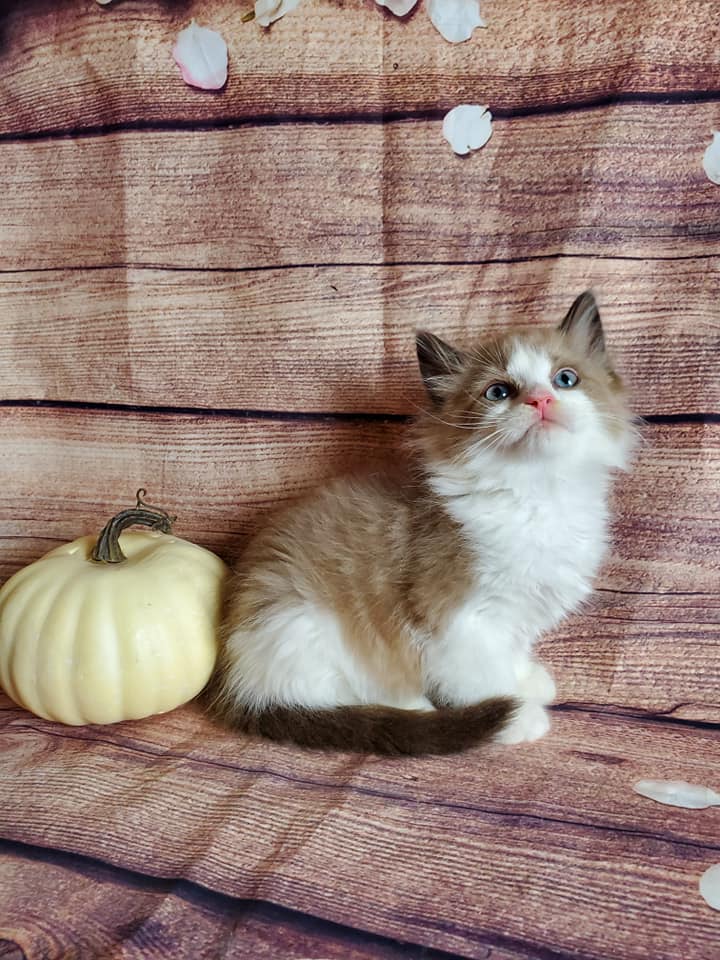
How To Detect And Treat Ear Mites In Ragdoll Kittens
Ear mites are tiny parasites that live in the ear canal and feed on wax, oils and skin debris. In Ragdoll kittens, an infestation can cause intense irritation, head shaking and dark discharge that resembles coffee grounds. Prompt care usually brings relief, but similar signs can come from yeast, bacteria, allergies or an injury.
Young cats can pick up ear mites from their mother, littermates or other cats. Even an indoor kitten is not completely protected, particularly after moving between homes, shelters, breeders or boarding facilities. In Australia, a warm climate from Brisbane to Perth may support parasite activity for much of the year, although ear mites can occur anywhere, including cooler parts of Tasmania and Victoria.
A healthy kitten should be curious, bright and comfortable when handled. Daily handling in a calm, cage-free family setting makes it easier to notice changes in ear comfort, scratching or behaviour. Good breeders also keep detailed health records and explain which preventive products have been used before adoption.
| Sign or finding | What it may suggest | Sensible next step |
|---|---|---|
| Dark, crumbly debris | Ear mites, though not exclusively | Arrange a veterinary examination |
| Frequent scratching or head shaking | Irritated ear canal | Avoid home remedies and check both ears |
| Redness, odour or wet discharge | Secondary yeast or bacterial infection | Seek prompt veterinary treatment |
| Head tilt, poor balance or severe pain | Deeper ear involvement | Treat as an urgent veterinary problem |
Recognising Early Signs
The classic sign is repeated scratching around the ears, sometimes accompanied by rapid head shaking or rubbing the face on furniture. The kitten may flatten its ears, resist gentle handling or become unsettled during meals and play. Some kittens show only mild irritation at first.
Look inside the outer ear without pushing anything into the canal. Ear mites commonly produce dark brown or black, dry-looking debris, but colour alone cannot confirm an infestation. Ragdolls have soft, long fur around the head, so check for crusting, small scratches and hair loss around the ear base as well.
What Veterinary Diagnosis Involves
A vet may examine the ears with an otoscope and take a small sample of debris for microscopic examination. This helps identify mites and check for yeast, bacteria or inflammatory cells. A proper diagnosis matters because an ear infection can look similar while requiring a different medicine.
Tell the clinic about the kitten’s age, weight, recent treatments and contact with other animals. If the kitten came from interstate or overseas, mention that history as well. For families adopting from a registered breeder, understanding TICA registration details can sit alongside checking vaccination, parasite and veterinary records.
Safe Treatment Options
Veterinarians may prescribe a cat-approved acaricide, often as a spot-on or another licensed treatment. Depending on the kitten’s age, weight and health, the product may contain an ingredient such as selamectin, moxidectin or a suitable isoxazoline. Australian vets select products approved for local use and provide precise dosing instructions.
Treatment may need to be repeated because eggs can hatch after the first application. Never estimate a dose, split a product meant for a larger animal or use a dog treatment on a cat. Permethrin, found in some canine flea products, can cause life-threatening poisoning in cats.
Cleaning Ears And Home
Only clean the ears as directed by the vet. A veterinary ear cleaner and soft cotton pad may be appropriate for the visible outer folds, but cotton buds should not be pushed down the canal. Scrubbing an inflamed ear can increase pain or damage delicate tissue.
Wash bedding and soft toys on a hot cycle where practical, vacuum favourite resting places and clean carriers. The parasite spends most of its life on the animal, so household cleaning supports treatment rather than replacing it. Avoid essential oils, vinegar, alcohol and other homemade mixtures, which may burn irritated skin or be toxic if licked.
Protecting Other Pets
Ear mites spread readily between cats and may affect dogs as well. Every cat or dog in the household should be checked, even if only one animal is scratching. Keep the affected kitten separate from close-contact pets until the vet advises that normal contact is safe.
A Simple Household Checklist
- Check every cat and dog for scratching or dark ear debris
- Use only medicines prescribed or recommended for that individual animal
- Wash bedding, blankets and fabric toys
- Keep treatment dates written on a calendar
A kitten’s environment should remain calm while the ears heal. In a busy Sydney apartment, a quiet spare room can provide useful separation; in regional homes, sheds and outdoor cats may create extra contact points that need discussion with the vet.
When To Seek Urgent Care
Arrange same-day veterinary attention if the kitten has a pronounced head tilt, loss of balance, vomiting, facial weakness or severe pain. These signs can indicate inflammation beyond the outer ear. A swollen ear flap may also develop when vigorous scratching breaks small blood vessels.
Book an appointment promptly for pus, a strong odour, bleeding, marked redness or a kitten that stops eating. Ear mites can lead to secondary infections, and very young kittens may become unwell more quickly. An after-hours clinic may be appropriate in Melbourne, Adelaide or elsewhere if serious neurological signs appear.
Supporting A Healthy Recovery
Give every medicine for the full period instructed, even if scratching stops after a day or two. Monitor appetite, sleep, playfulness and ear appearance. Mild irritation should gradually settle; worsening discharge or continuing head shaking deserves a follow-up examination rather than another dose at home.
Regular parasite prevention, sensible hygiene and routine health checks help prevent recurrence. Keep adoption records, product labels and veterinary notes together, particularly when moving between Australian states or introducing a new pet. The practical approach is simple: recognise the signs, have the ears examined, use a cat-safe treatment exactly as prescribed and treat close-contact animals when advised.