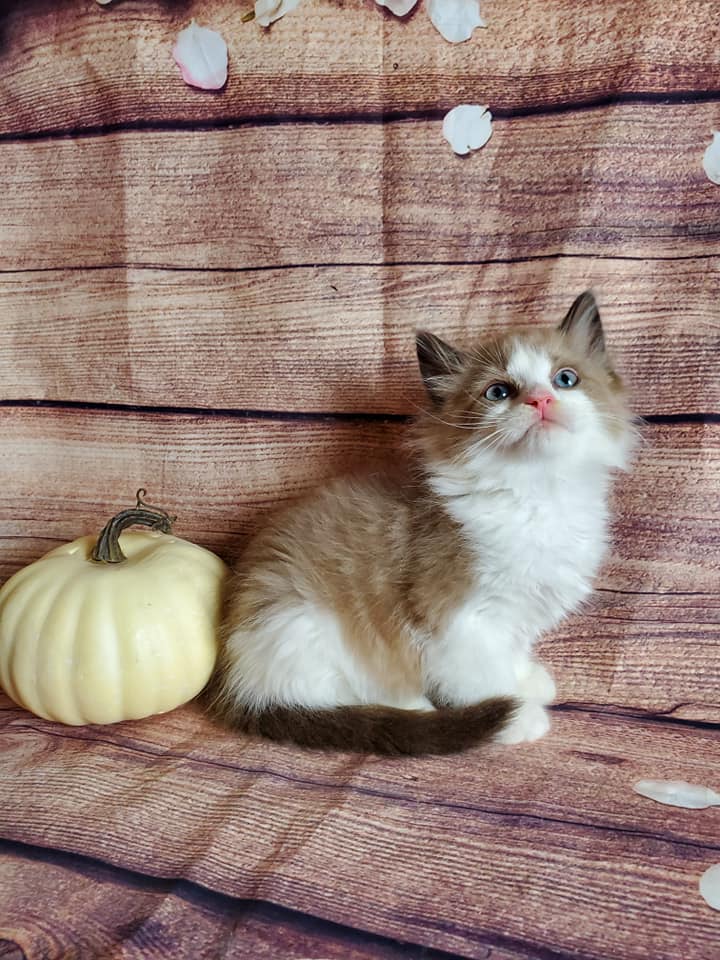
Preparing Your Ragdoll for an emergency vet visit in Australia
Owners of purebred Ragdolls in Australia often share a quiet worry: what happens if their gentle cat needs urgent care on a Sunday afternoon or during a heatwave? Because most general practices close by six in the evening and public holidays can stretch the gap, knowing how to respond quickly becomes part of responsible ownership. A little preparation shortens the distance between panic and effective treatment, and it spares your cat added distress when every minute counts.
Every Australian household with a Ragdoll benefits from treating emergency readiness like a working ritual rather than a someday task. The work involves assembling a few physical items, learning the early signals of feline distress, and rehearsing the trip to the clinic so it feels familiar. Each layer you add turns a frightening event into a manageable routine, which matters for a breed known for bonding closely with its people, as a thoughtful breed temperament profile makes clear.
Building an emergency kit that travels with you
A small, clearly labelled pouch sitting near the front door removes one source of confusion during an urgent moment. Pack your cat's vaccination record, microchip number, and any current medication list inside a waterproof sleeve. Add a clean towel that can double as a wrap or a soft surface, a spare lead for the carrier, and a couple of treats your Ragdoll actually enjoys rather than generic biscuits. A small roll of paper towel and saline wipes handles any soiling on the trip back.
Place the pouch beside your carrier so you can grab both at once. Keep a printed card inside showing your home address, your regular vet's phone number, and the contact details of the nearest after-hours hospital, which in capital cities like Melbourne, Sydney, Brisbane, and Perth typically operate around the clock. Replace the treats and refresh the towel wash every few months so nothing in the kit smells stale to a sensitive nose.
Recognising the early warning signs
Cats disguise pain as a survival strategy, which makes subtle changes more meaningful than dramatic ones. Watch for a Ragdoll that suddenly hides under the bed for hours, refuses even a favourite wet food, or breathes with shallow, rapid chest movements. Pale or blue-tinged gums, repeated vomiting, straining in the litter tray, or sudden limpness on one side all warrant a quick phone call to the clinic without waiting for daylight.
Heat-related collapse is a very Australian concern, particularly for cats used to air-conditioned lounges during a Sydney summer or a Brisbane wet-season humidity spike. Excessive panting, drooling, or a body that feels hot to the touch in a long-haired breed suggests heatstroke, which needs cooling and professional assessment straight away. Trust your instincts: an owner who feels something is off is usually right, and clinics appreciate a calm early call over a late desperate one.
Safe transport by car around the suburbs
A secure carrier turns a car ride into something your cat can weather rather than fear. Choose one that opens from the top as well as the front, because many Ragdolls accept being lowered in from above more readily than being coaxed through a narrow door. Line the base with a familiar blanket carrying your scent, and lightly drape a towel over the carrier during loading to dim the visual rush of a busy kerbside. Buckle the carrier into the back seat with a seatbelt loop or wedge it against the floor behind the front passenger seat.
Plan the route ahead of time so you are not searching for one-way streets around an inner-Melbourne laneway or a Perth coastal strip while your passenger grows more anxious. Keep the car cool with air-conditioning rather than open windows, as sudden gusts can alarm a cat and a loose flap can become a hazard. Drive gently through speed humps and roundabouts, and talk to your cat in a low, steady voice; many Ragdolls respond to their owner's tone even in transit.
What to tell the emergency vet
When you arrive, hand over the printed history from your kit and give the triage nurse a concise rundown. Start with the cat's age, weight, and any chronic conditions, then describe the sequence of symptoms with rough timings. Mention anything your Ragdoll may have encountered, from a dropped tablet to a stinger from a wandering European wasp, which is common in Aussie gardens during the warmer months. If your cat enjoys time outdoors in a permitted area such as a Victorian cat-proofed courtyard, flag any recent contact with neighbourhood wildlife.
Australian legislation around pet welfare expects owners to seek timely veterinary care, and a clear handover supports the clinical team in making fast decisions. Be ready to authorise immediate tests or imaging, since emergency hospitals often require verbal consent before moving ahead with bloodwork or X-rays. Ask about pain relief, expected costs, and whether the case will be referred back to your regular vet in the morning, which is standard practice in most metro areas once a patient is stabilised.
Staying calm when your Ragdoll needs you
Your cat reads your body language far more closely than your words. Slow your breathing before opening the carrier at the clinic, lower your shoulders, and keep your voice in the same register you use during evening cuddles. Avoid fussing or apologising repeatedly, because the shift in energy can unsettle an already fragile patient. Place one hand gently on the carrier door so the team can see you are present without crowding the examination space.
If you feel yourself spiralling, step into the waiting area for a glass of water and reset. Many Australian emergency centres now offer quiet rooms for owners during longer waits, recognising the emotional weight of these visits. Remind yourself that prompt presentation is one of the strongest predictors of a good outcome, and your calm presence is a genuine form of care your Ragdoll can feel.
Recovery at home after the visit
Once you return home, keep your cat in a quiet room with water, a clean litter tray, and a familiar bed, away from curious housemates or dogs. Follow the discharge instructions to the letter, including medication timing and any dietary adjustments suggested by the vet. Check the incision site or treated area twice daily for swelling, discharge, or unusual behaviour, and photograph anything that concerns you so you can share it with your regular vet the next morning. Schedule the follow-up before you even leave the hospital if possible.
Monitor appetite and litter habits over the next forty-eight hours, as subtle changes often appear here before they show anywhere else. A Ragdoll that hides again, refuses food for more than a day, or seems lethargic despite pain relief needs a prompt check rather than a wait-and-see approach. Keep the emergency clinic number saved in your phone under a clearly named contact, and review your kit every six months so it stays current.
Practical habits worth keeping all year
- Store the carrier in a living area rather than the garage so it smells like home.
- Keep microchip details and the latest vaccination certificate inside the kit pouch.
- Book a yearly health check so your regular vet knows your Ragdoll before anything urgent.
- Add the after-hours emergency hospital for your state to your phone favourites today.
Save the phone number of your nearest 24/7 animal hospital as a contact named "Vet Emergency" before tonight, so the next urgent moment begins with a single tap rather than a frantic search.