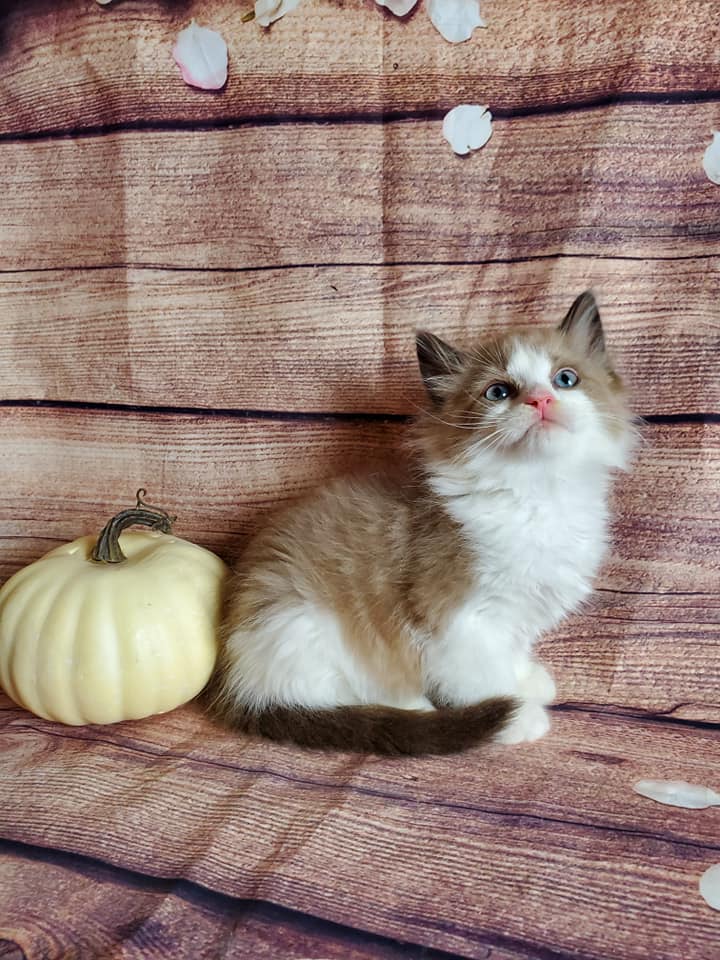
Helping Your Ragdoll Kitten Settle Into a New Food
Bringing a Ragdoll kitten home is an exciting change, but moving to a different diet needs a little care. A sudden switch from the food served at the cattery to a new brand, flavour, or texture can upset a young digestive system and cause loose stools, vomiting, or food refusal.
Whether your kitten is settling into a flat in Sydney, a family home in Brisbane, or a cooler household in Hobart, a calm feeding routine makes the transition easier. The aim is to introduce the new food gradually while keeping meals nutritious, predictable, and suitable for a growing purebred kitten.
Start with the food your kitten already knows
Before your kitten travels home, ask the breeder for the current brand, recipe, feeding schedule, and approximate portion size. Keeping the first few meals familiar helps reduce stress during the move. A kitten may already be adjusting to new people, sounds, smells, and a different sleeping area, so changing everything at once is rarely helpful.
At Ragdoll Kittens Cattery, kittens are raised indoors in a family environment and handled daily. This steady early socialisation can support a smoother move, but familiar food still matters. The cattery’s cage-free environment gives kittens room to explore and interact, while their diet should remain consistent until they feel secure in their new home.
Choose a complete kitten diet
Look for a food labelled as complete and balanced for kittens or growth. Ragdolls grow into large, substantial cats, so a recipe designed for adult maintenance may not provide the right nutritional profile for a developing kitten. Wet food, dry food, or a combination can work when the total diet meets kitten requirements and suits your veterinarian’s advice.
Australian shoppers may find kitten food at supermarkets such as Coles and Woolworths, specialist pet retailers, veterinary clinics, and online stores. Availability can vary between metropolitan areas and regional towns, including parts of regional Victoria or Western Australia. It is sensible to keep a spare bag or a few extra trays at home rather than changing brands suddenly because the usual product is out of stock.
Use a slow food transition
A gradual change over seven to ten days is a useful general guide. For the first few days, serve about 75 per cent of the familiar food with 25 per cent of the new food. If your kitten’s stools remain normal and appetite is steady, move to an equal mix for several days, then use 25 per cent familiar food and 75 per cent new food before offering the new diet alone.
Some kittens need longer, particularly if the new recipe has a very different smell, moisture level, or protein source. Mix the foods thoroughly rather than placing an unfamiliar portion beside the old food. If your kitten refuses a meal, return to the previous ratio and progress more slowly once eating has returned to normal.
Make wet and dry food changes gently
Changing from dry biscuits to wet food can be especially noticeable. Wet food has a stronger aroma and softer texture, while dry food is crunchy and often easier to leave available for short periods. Begin with a small spoonful of the new texture alongside the familiar meal, then increase it gradually.
Fresh water should be available at all times, placed away from litter trays and, if possible, in more than one location. In hot Australian weather, such as a summer afternoon in Perth or Darwin, hydration deserves extra attention. Wet food can contribute to daily fluid intake, but it does not replace clean drinking water.
Keep portions and mealtimes consistent
Young kittens generally do better with several small meals rather than one or two large servings. Follow the packaging guide as a starting point, then adjust with your vet according to age, body condition, activity, and growth. Ragdolls can be relaxed and food-motivated, so free-feeding may lead to overeating in some individuals.
Use the same bowls and feeding area during the transition. Stainless steel or ceramic bowls are often simple to clean and less likely to retain smells. A quiet corner away from busy foot traffic, noisy appliances, and other pets can help your kitten concentrate on eating, especially during the first week.
Watch for signs of intolerance
Mildly softer stools can occur during a diet change, but persistent diarrhoea, repeated vomiting, blood in the stool, marked lethargy, or refusal to eat warrants veterinary advice. Kittens can become dehydrated more quickly than adult cats, so do not wait several days if your kitten appears unwell.
Food intolerance and unrelated illness can look similar. Parasites, stress, infection, and eating non-food items may also affect digestion. Your local veterinary clinic can assess the symptoms and decide whether a faecal test, dietary adjustment, or treatment is needed. Avoid giving human remedies or making several dietary changes at once, as this can make the cause harder to identify.
Introduce treats with care
Treats should be small and limited, especially while your kitten is learning a new main diet. Introducing a new food, new treats, and table scraps together makes it difficult to know which item caused a reaction. Plain cooked meat may be offered only if your veterinarian agrees, and it should never contain onion, garlic, cooked bones, heavy seasoning, or sauces.
Raw diets require careful formulation and hygiene. Homemade meals can become deficient in essential nutrients if they are not designed by a veterinary nutrition professional. For a growing kitten, a reliable complete kitten food is usually the simplest foundation, with extras kept occasional and nutritionally insignificant.
Build a routine that can last
Once your kitten is eating comfortably, keep the diet stable for a while. Record the food brand, flavour, feeding amounts, stool quality, and any reactions. This can be useful when speaking with a vet and helps you recognise what suits your kitten.
If a later change is necessary, use the same gradual method rather than swapping foods overnight. A consistent routine also helps your kitten feel settled after moving from Montana to an Australian home, whether that home is near the coast, in the suburbs, or on a rural property. The key is to preserve familiarity, introduce change patiently, and monitor your kitten’s health throughout the process.
A successful food transition is gentle and unhurried: begin with the familiar diet, mix in the new food over several days, provide plenty of fresh water, and seek veterinary help when symptoms persist. Your Ragdoll kitten should remember mealtimes as safe, predictable, and satisfying.