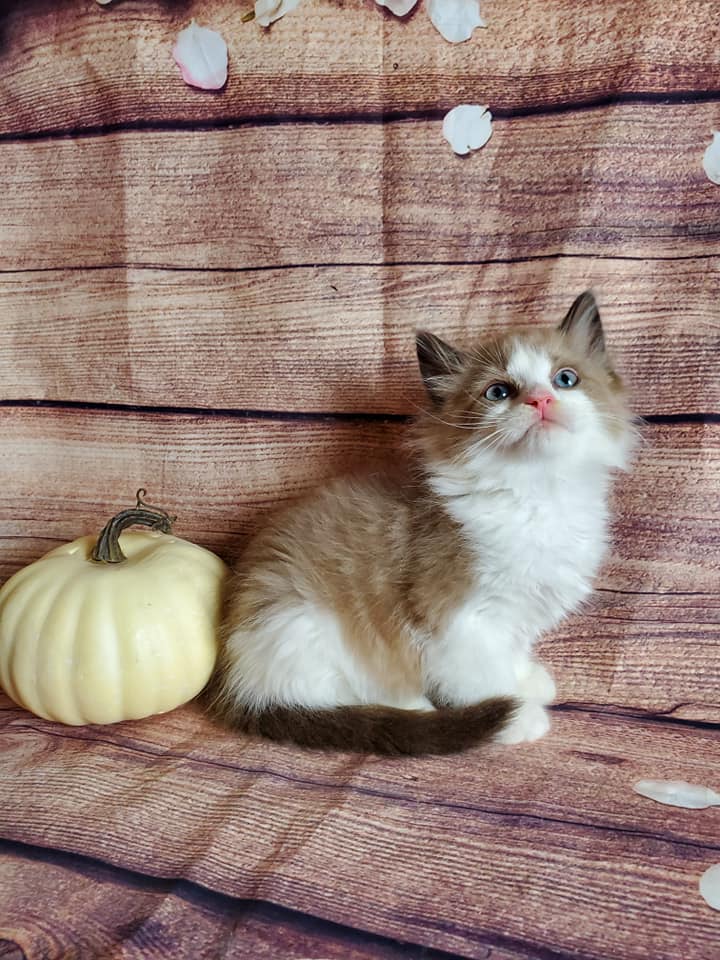
Indoor Winter Exercise Ideas For Your Ragdoll Cat
Ragdolls are gentle, intelligent cats with a relaxed nature, but they still need daily movement. Indoor exercise supports healthy muscle tone, coordination and weight control, especially when cooler weather makes outdoor adventures less appealing.
Winter feels different across Australia. A Hobart or Canberra home may need extra warmth, while Brisbane households might only notice a few chilly mornings. Regardless of location, a warm indoor environment with short, engaging play sessions can help your Ragdoll stay active without stress.
Understand Your Ragdoll’s Exercise Needs
Ragdolls often enjoy interactive games more than frantic, uncontrolled activity. Their large size and slower physical development mean that play should encourage movement without forcing awkward jumps or hard landings. Wand toys, rolling balls and gentle chasing games are usually suitable choices.
Young kittens need several brief sessions spread throughout the day, while adult cats may enjoy two or three longer play periods. A mature Ragdoll may prefer a predictable routine, particularly in a quiet family home or an apartment where outdoor access is limited.
Compare Indoor Exercise Options
| Activity | Best for | Main benefit | Safety note |
|---|---|---|---|
| Wand toy games | Kittens and adults | Chasing, pouncing and coordination | Store toys after use |
| Treat puzzles | Food-motivated cats | Mental stimulation and movement | Count treats as part of daily food |
| Cat tree climbing | Confident adults | Strength and balance | Use a stable, broad-based tree |
| Ball tracks | Independent play | Gentle activity between sessions | Choose large, durable parts |
| Food treasure hunts | Curious cats | Walking, sniffing and problem-solving | Hide food in easy-to-find places |
Rotating these options prevents boredom and lets you match the activity to your cat’s mood. On a cold Melbourne morning, a food puzzle may be more appealing than energetic chasing; on a bright Perth afternoon, your Ragdoll might enjoy a longer play session near a sunny window.
Exercise should feel rewarding rather than exhausting. Stop when your cat loses interest, pants, hides or begins moving awkwardly. Cats are skilled at masking discomfort, so reluctance to jump or a sudden reduction in play deserves attention from a veterinarian.
Use Interactive Toys For Short Bursts
A feather wand or fabric lure can turn a lounge room into a safe hunting course. Move the toy along the floor, behind a cushion and around a scratching post, allowing your Ragdoll to stalk before making a gentle pounce. Vary the pace so the game includes pauses, quick movements and easy wins.
Never leave string, ribbon or wand toys unattended. A cat can swallow loose material or become tangled in it. Finish by letting your cat catch the toy, then offer a small meal or treat. This follows the natural sequence of hunt, catch and eat, which can help your pet settle afterwards.
Laser pointers can provide movement, but they should not be the only game. Because the cat never catches the light, some Ragdolls become frustrated. If you use one, finish by directing your cat towards a physical toy or treat that can be captured.
Add Height And Movement Around The Home
A sturdy cat tree, window perch or series of wall shelves creates exercise opportunities without requiring a large house. Place levels at different heights so your Ragdoll can climb gradually rather than making a risky leap. A broad platform is particularly useful for this substantial breed.
Keep climbing furniture away from unstable bookcases, hot heaters and windows that cannot be secured. In Australian homes, open windows and balconies can create serious hazards, even on mild winter days. Screens must be strong, properly fitted and checked regularly.
You can also make a simple circuit with a tunnel, cardboard box and scratching post. Move one item occasionally to refresh the layout, but keep food, litter and sleeping areas in familiar locations. Too much change can make a sensitive cat cautious rather than playful.
Turn Mealtimes Into Gentle Activity
Puzzle feeders encourage your cat to bat, sniff and walk for part of its meal. Begin with an easy design containing visible food, then increase the challenge once your Ragdoll understands how it works. Dry food can work well in some puzzles, while small portions of the normal diet can be used with lick mats.
Another option is to place a few pieces of food around safe areas of the house. Start close to the usual bowl and gradually create a wider search pattern. Avoid hiding food near litter trays, cleaning products or places where it could become damp.
Portion control matters because indoor cats can gain weight when winter play decreases. Measure the day’s food in advance and use part of that amount for training or puzzle activities rather than adding extra treats.
Include Safe Greenery And Sensory Play
Many cats enjoy nibbling suitable grasses and investigating new scents. A small pot of cat grass can provide sensory enrichment while encouraging your Ragdoll to stand, stretch and move around. For plant guidance, review these cat-safe greenery options before bringing greenery indoors.
Avoid lilies, oleander, azaleas and other toxic plants, as even a small amount can cause a medical emergency. Keep potting mix, fertilisers and treated leaves out of reach. If you suspect your cat has eaten a poisonous plant, contact an Australian veterinarian or the Animal Poisons Helpline promptly.
Scent games can add variety without demanding intense exercise. Place a familiar blanket in a new safe position, offer a cardboard box or introduce a catnip toy if your individual cat responds to catnip. Some Ragdolls show little interest in it, so silvervine or simple paper toys may work better.
Build A Practical Winter Routine
A consistent schedule is easier to maintain than occasional, exhausting play. These habits work well for many indoor Ragdolls:
- Start the morning with five to ten minutes of wand play.
- Offer a puzzle feeder for part of breakfast.
- Leave a stable scratching post and ball track available during the day.
- Add a short afternoon climbing or tunnel game.
- Use a calm evening chase game before the final meal.
- Weigh your cat regularly and adjust food with veterinary guidance.
In a busy Australian household, play can fit around school runs, work-from-home hours and cooler evenings. A few minutes in the lounge room is still valuable, and rotating toys every several days keeps familiar items interesting.
If your Ragdoll has heart disease, joint concerns, breathing problems or a history of poor mobility, ask your veterinarian which exercises are appropriate. Health screening and responsible breeding are important foundations, yet every cat still needs individual observation as it grows.
Keep Winter Play Safe And Enjoyable
Warmth, traction and supervision matter more than elaborate equipment. Place rugs over slippery flooring, keep cords secured and check toys for loose feathers, plastic or damaged stitching. Do not encourage high jumps from furniture that could cause a hard landing.
Watch for healthy signs such as relaxed movement, curiosity, normal grooming and a settled appetite. Reduced activity combined with hiding, stiffness, limping or changes in litter habits should not be dismissed as ordinary winter laziness.
The key is simple: give your Ragdoll regular chances to chase, climb, search and stretch in a safe indoor setting. Short, varied sessions matched to your cat’s age and personality will keep winter days active, comfortable and enjoyable.